
Article written by Elisa
This article may contain compensated links. Please read disclaimer for more info.
Visit Occitanie, France
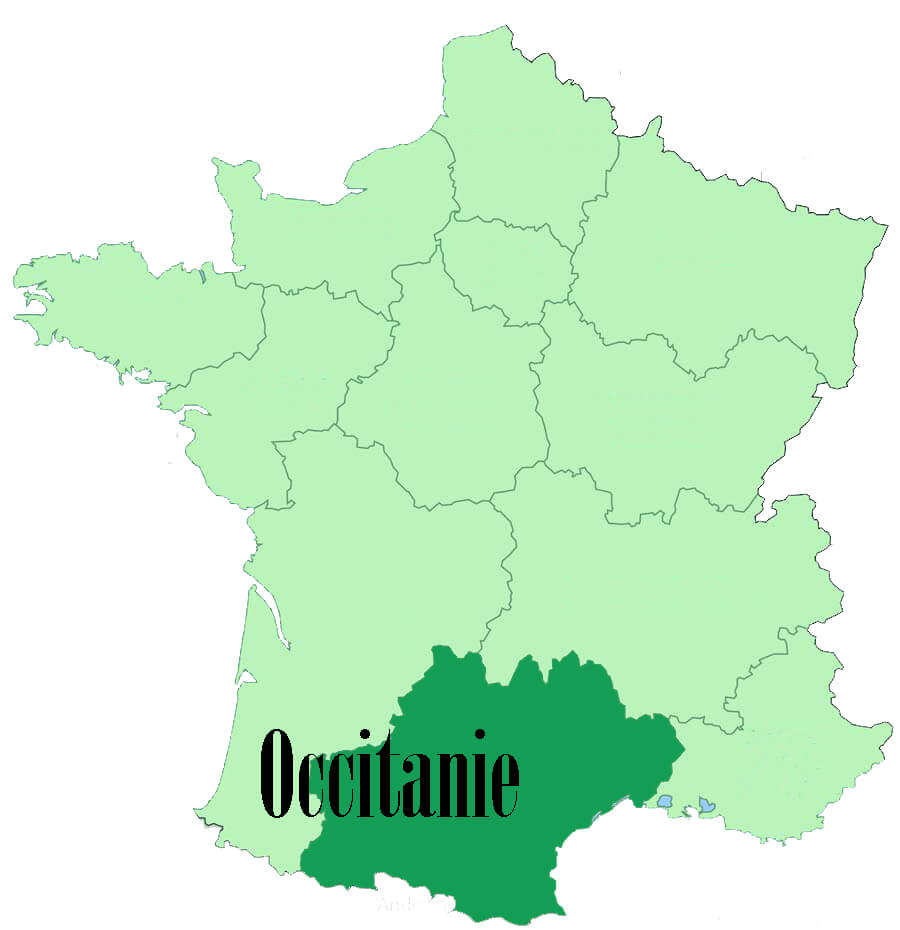
Occitanie is one of the regions of Southern France. Nestled between the Pyrénées and the Mediterranean Sea, Occitanie is always a trip back to the essentials: the land, the sea, and the sky.
A region where sunny days abound, Occitanie is known for its incredible variety of landscapes, a haven for great outdoor experiences. The region also has vibrant cities, great food and wines, and some of the cutest small towns in France.
Occitanie boasts a thrilling history, from Roman landmarks like the Arena of Nîmes and the Pont du Gard to remarkable medieval sites such as Carcassonne, the gateway to the fascinating Cathar Country.
Occitanie is a relatively new region (2016) that incorporates the former historical regions of Languedoc-Roussillon and Midi-Pyrénées. Occitanie is divided into thirteen departments: Ariège, Aude, Aveyron, Gard, Haute-Garonne, Gers, Hérault, Lot, Lozère, Hautes-Pyrénées, Pyrénnées-Orientales, Tarn, and Tarn-et-Garonne.
The Occitanie region is another south, far from the French Riviera‘s buzz. It is a land of traditions, where its inhabitants like to take their time and enjoy the small pleasures of this life.
Occitanie is diverse, and that’s good! Go on reading for the list of the best places to visit in Occitanie, France, and some fun things to do.
What is Occitanie known for? Occitanie is known for its incredible variety of landscapes, a haven for great outdoor experiences. The region also boasts vibrant cities, great food and wines, and some of the cutest small towns in France.
Occitanie Travel
- Book your flight tickets to Toulouse Blagnac (TLS), Occitanie’s main airport
- Explore Occitanie by train. Book your train tickets here.
Looking to travel around Occitanie independently? Click here for the best rental car rates.
Top Occitanie Experiences and Tours
- Toulouse Food & History Walking Tour
- Albi and Cordes-sur-Ciel Day Trip from Toulouse
- Visit Carcassonne’s Citadel, Castle, and Ramparts
- Lourdes Sanctuary Guided Walking Tour
Don’t leave for Occitanie without your travel insurance!
SafetyWing Essential plan works well for long and short trips (from 5 days up). Can also cover electronics theft through their add-on.
Related posts
Best Things to Do in Occitanie Map
This map of Occitanie destinations highlights some of the most beautiful places in Occitanie, but it’s not an exhaustive list. It’s intended as a starting point to inspire your trip and help you discover a mix of well-known highlights and lesser-known gems.
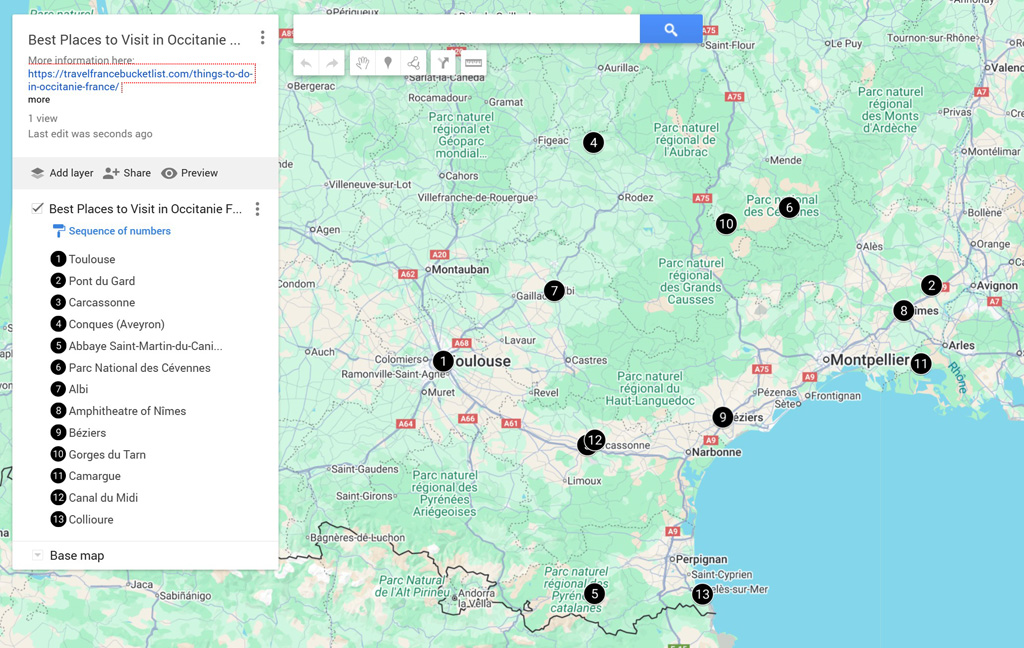
What to Do in Occitanie, France
Let’s have a look at what to see in Occitanie and the best things to do. This list of things to do in Occitanie, France, includes Occitanie tourist attractions, vibrant cities, sea towns, natural wonders, and historical monuments.
→ Love Occitanie? Find all my guides and itineraries here
1. Toulouse, the Pink City
→ Read my full guide to Toulouse
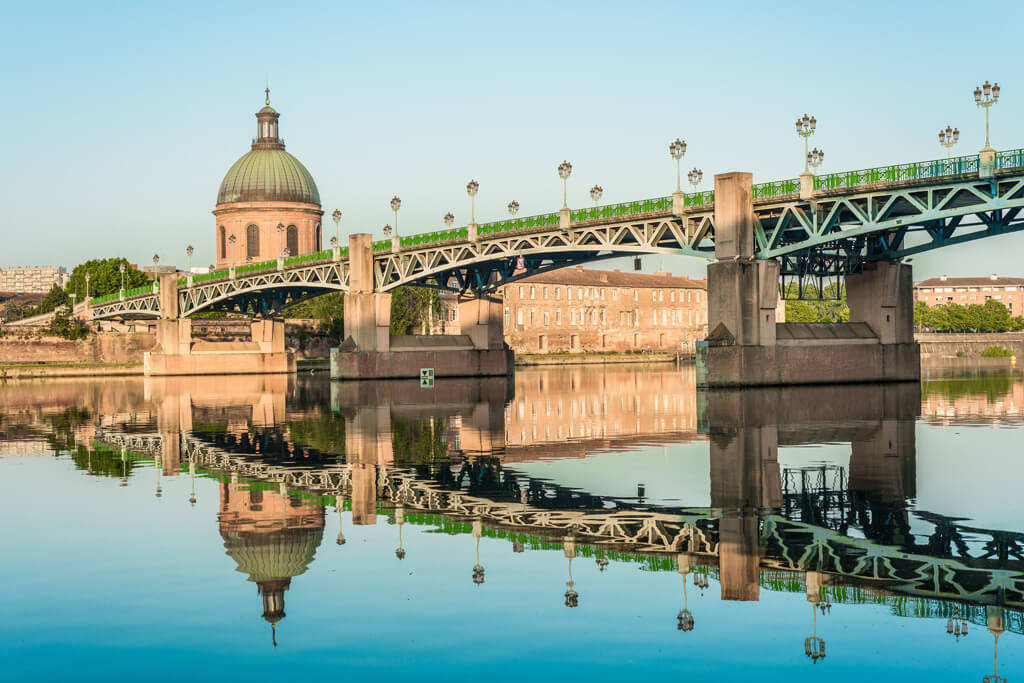
Located on the banks of the Garonne River, Toulouse is the capital of the Occitanie region. Toulouse is a pleasant city where life is good. Also, it is Europe’s aeronautical capital, with the largest space center in Europe.
In the city center, distances are short and everything can easily be explored on foot. Visitors to Toulouse will discover admirable churches, charming narrow streets, grand buildings, striking architecture, and a rich cultural heritage.
Feeling blue? Head to Toulouse! The Pink City owes its nickname to its brick architecture, where shades of pink – along with ochers and reds that shift with the light and location – create a cityscape unlike any other.
Start your wanderings at Place du Capitole, the heart of the city, to which everything seems to gravitate. Then explore Old Toulouse with its intimate squares, elegant private mansions, and fascinating museums devoted to the cosmos, prehistory, ancient art, and the natural world. Finally, enjoy a well-deserved break in one of the city’s beautiful parks – Click here to book your stay in Toulouse
2. Pont du Gard
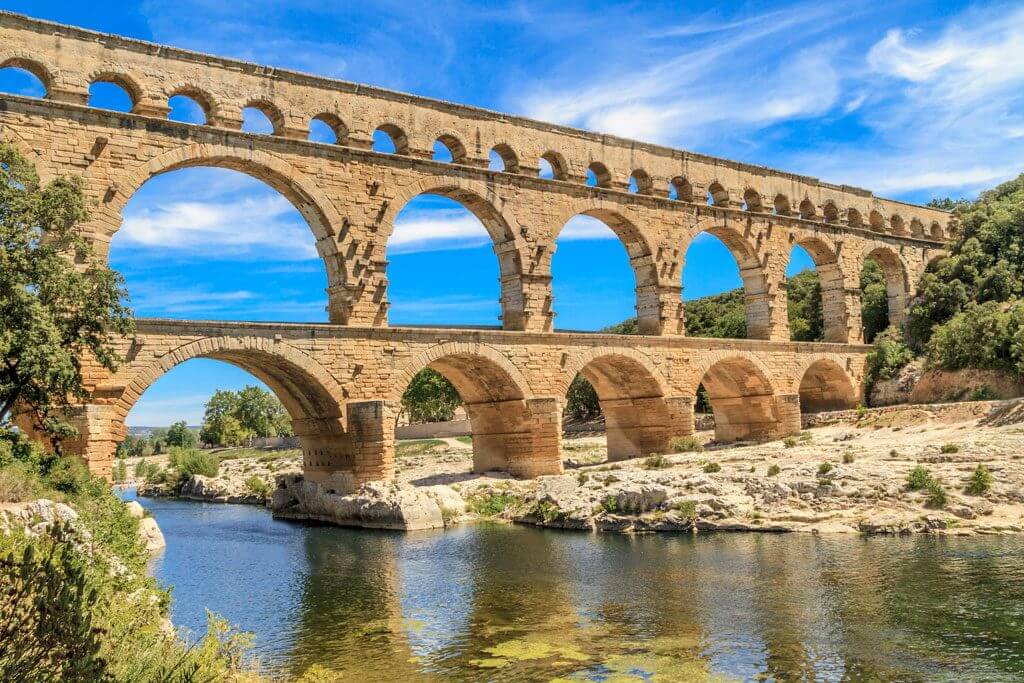
The Pont du Gard is a Roman aqueduct built in the first century AD to bring water from the source of the Eure River near Uzès to the city of Nîmes. Crossing the Gardon River was a major challenge, but the Pont du Gard made it possible thanks to impressive Roman engineering.
Pont du Gard was used as an aqueduct until the 6th century. Then, it became a tollgate in the Middle Ages and later a road bridge from the 18th to the 20th centuries.
A UNESCO World Heritage site, Pont du Gard is a true technical feat. It measures 48 meters high and has three vertical rows of arches: 6 on the lowest level, 11 on the second level, and 35 on the third and top levels. Don’t miss the Museum of the Pont du Gard, which traces the history of the aqueduct’s construction.
The Pont du Gard makes one of the best day trips from Avignon, Nîmes, or Uzès. You can also reach it by kayak, by sailing along the Gardon River.
3. Carcassonne & The Cathar Country
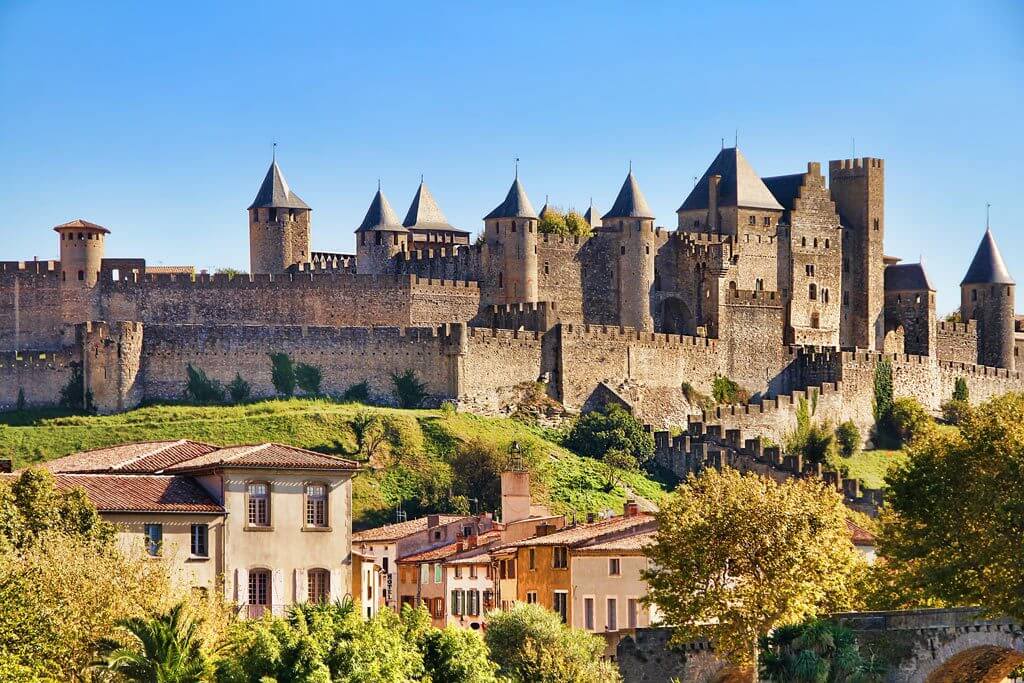
The Cathar Country is one of the most fascinating areas to visit in the Occitanie region, rich in heritage and marked by a turbulent history of heresy and crusades. It is made up of medieval castles, villages, and Romanesque abbeys connected to the Cathars – a Christian dualist movement that flourished in the Languedoc region between the 12th and 14th centuries. These sites stand as witnesses to the conflict between the Catholic Church and the Cathars more than 800 years ago.
The Cité de Carcassonne is one of the most important sites in the Cathar Country and one of the main tourist attractions in Occitanie. The city became a land of heresy in Pope Innocent III’s eyes, and it was one of the main targets during the first Cathar Crusade in 1209, led by Simon de Montfort. Explore its medieval castle and ramparts and uncover the citadel’s secrets with this top-rated walking tour with a certified guide.
The Cathar Country is best explored by car as most of its sites are poorly (or not at all) served by public transportation. Here’s a suggested road trip itinerary through the Cathar Country, combining history, culture, and breathtaking scenery.
4. The Villages of Aveyron
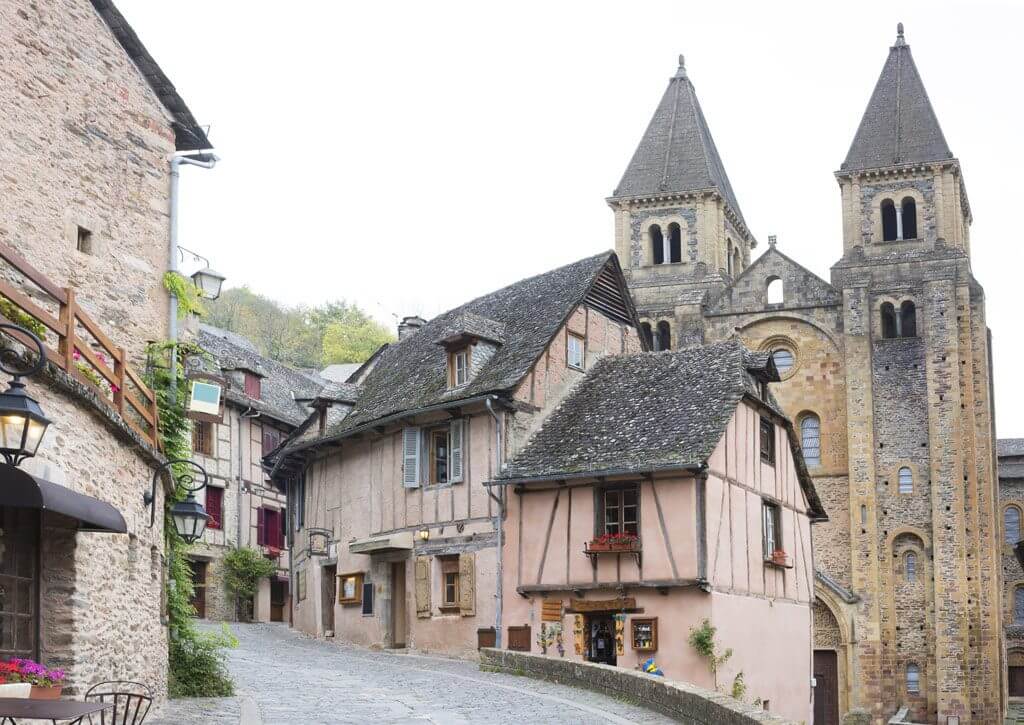
Located in the heart of Occitanie, the Aveyron is rich in history and home to remarkable sites. Rising from 144 to 1,463 meters, it stretches from the barren plateau of Larzac to lush valleys threaded with rivers.
The Aveyron is a land of character – rough and sweet at the same time – where life tends to slow down, just like in the old times. The Aveyron is also a paradise for food and nature lovers.
Above all, the Aveyron is famous for its picturesque medieval villages, boasting more official “Most Beautiful Villages in France” than any other region.
Where to start? Conques, situated along the Santiago de Compostela pilgrimage route, is a must-see, along with the villages of Belcastel, Najac, and Peyre. Other highlights include the cliffside village of Rocamadour, the fortified streets of La Couvertoirade, and the riverside charm of Sainte-Eulalie d’Olt.
5. Sant Martí del Canigó and Sant Miquel de Cuixà Abbeys
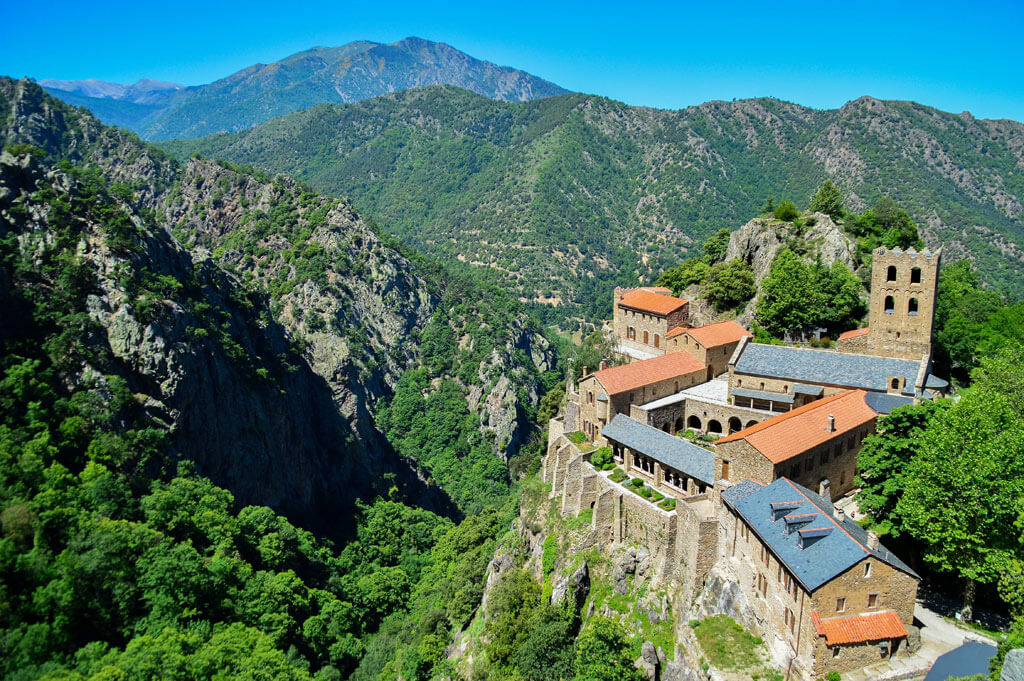
The Canigó (Canigou in French) is a mountain in the Pyrénées that has symbolic significance for the Catalan people. For the Catalans, the Canigó is a sacred place of legends and mysteries, but also a national symbol that inspired poets like Jacint Verdaguer, author of the poem Canigó. The English journalist and writer Rudyard Kipling visited Vernet-les-Bains many times between 1910 and 1926 and declared himself “among the loyal subjects of the Canigou.”
Unfortunately, this part of the Pyrénées became French after the Treaty of the Pyrénées in 1659, when King Philip IV of Castile and Aragon gave the lands of Northern Catalonia to King Louis XIV. This was a major setback for Catalonia, which lost one-fifth of its territory. Most importantly, its second-largest city, Perpignan, ended up under foreign rule.
In the mountains of the Massif du Canigó, you’ll find Sant Martí del Canigó (now Saint-Martin du Canigou) and Sant Miquel de Cuixà (Saint-Michel de Cuxa in French), two beautiful Benedictine abbeys founded in the 10th century by Count Guifré II of Cerdanya. Both are gems of Catalan Romanesque architecture in the Pyrénées and are listed as historical monuments. Sant Martí del Canigó is set in a spectacular mountain location, while nearby Sant Miquel de Cuixà is famous for its stunning Romanesque cloister, with capitals decorated with monsters and other fantastical creatures.
6. Parc National des Cévennes
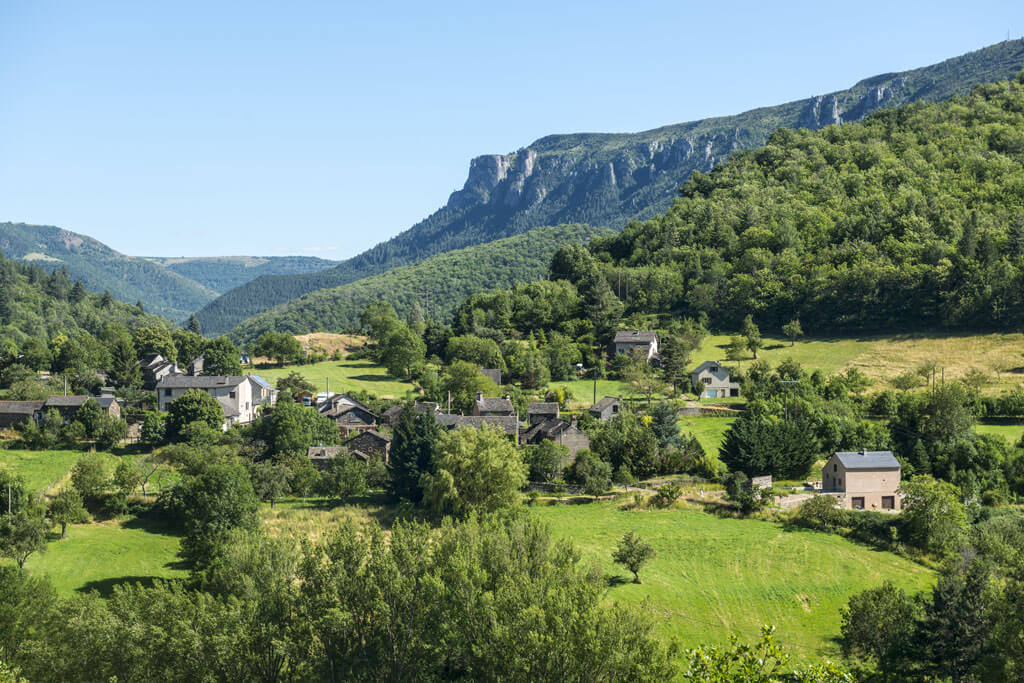
Created in 1970, the Cévennes National Park is one of the ten national parks in France and one of the two parks to be inhabited, also in its core zone. UNESCO has distinguished this vast territory as a “Biosphere Reserve” for its particular balance between man and nature.
The park’s beauty comes from its variety of landscapes: the granitic highlands of Mont Lozère, the forests of Aigoual, and the limestone plateaus of Causse Méjean carved by the Gorges du Tarn and de la Jonte.
There are many ways to explore the magnificent landscapes of Cévennes National Park: on foot (5,000 kilometers of signposted trails and paths), on horseback, and by mountain bike. If you love outdoor adventures, check out this list of fun things to do in the Cévennes National Park, from canoeing to kayaking, climbing, via Ferrata, and more.
7. Albi, La Rouge
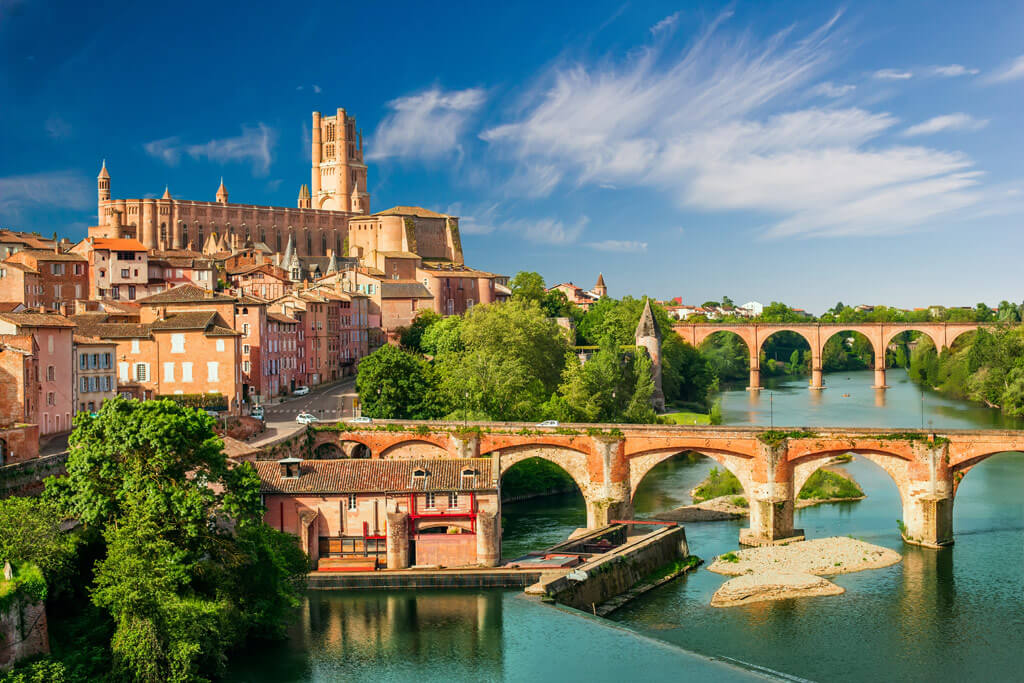
Located in the Tarn department, Albi is nicknamed “La Rouge” (the Red) for its red brick architecture. Once a stronghold of Catholic power, it was the center of the 13th-century Albigensian Crusade against the Cathars – and it still feels ready for battle today.
Albi is not part of the Cathar Route, but if you are interested in Catharism, it makes sense to extend your explorations to Albi. The Cathars were called Albigensians because of their connection to the city, and because the 1176 Church Council, which declared Cathar beliefs heretical, was held nearby.
Albi is one of the best places to visit in Occitanie. Take a walking tour through its Old Town to explore the Cité Episcopale. A UNESCO World Heritage site since 2010, the Cité Episcopale dates back to the 13th century and includes four medieval neighborhoods, historic monuments, major landmarks, and the banks of the Tarn River.
8. The Arènes of Nimes
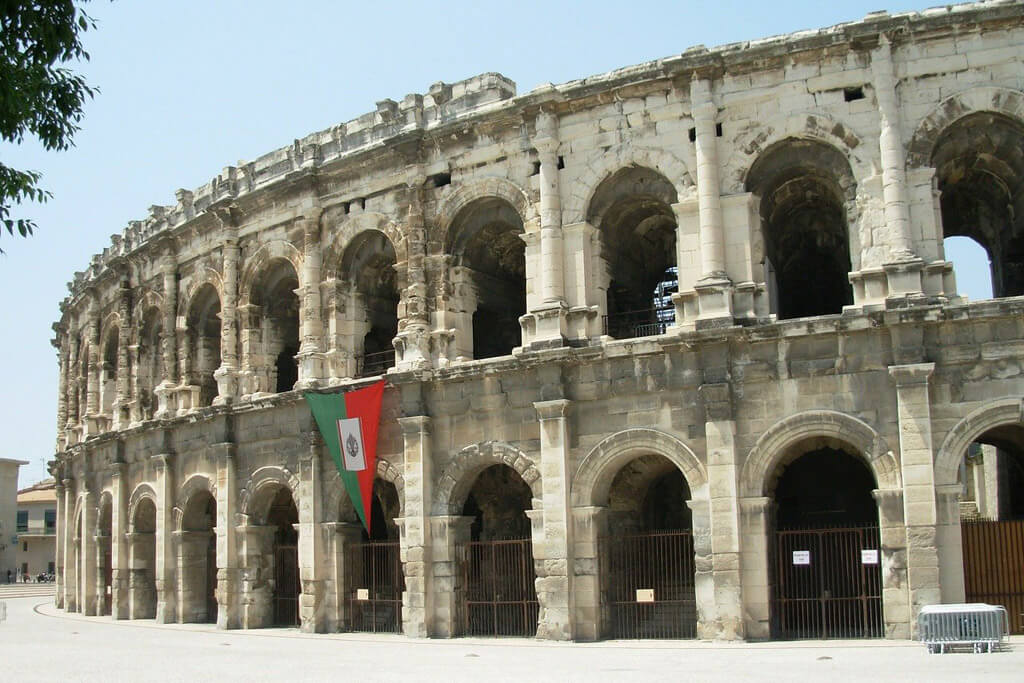
Nîmes was founded in the 1st century as Nemausus by veterans of the Gallic Legion. Often called “the French Rome,” it is famous for its Roman heritage, including landmarks such as the Tour Magne, Maison Carrée, and Arènes de Nîmes.
Les Arènes de Nîmes is a Roman amphitheater built around 70 CE in the city. It may not be the largest Roman amphitheater in the world, but it is the best preserved. Designed to host a variety of shows for the local population, it measures 133 meters long and 101 meters wide.
Les Arènes de Nîmes is one of the top Occitanie tourist attractions. It organizes shows for tourists and locals, and it is also possible to visit every day except when there’s a show.
9. Béziers
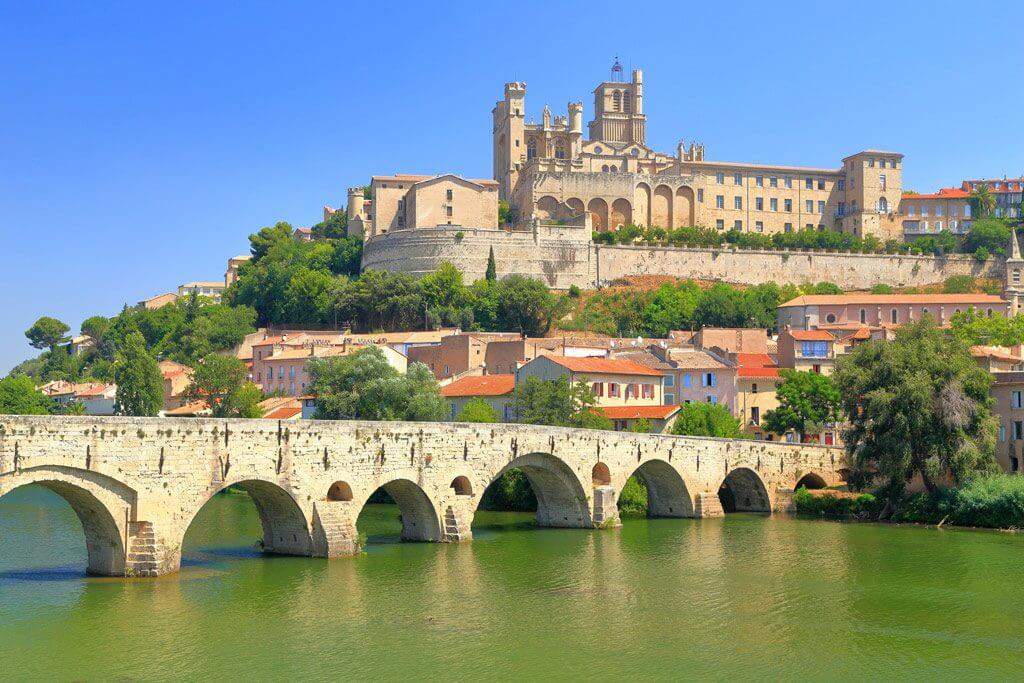
The medieval city of Béziers was an important stronghold of Catharism. During the Cathar Crusades, it was the first city to be attacked.
The Catholics in Béziers were given an ultimatum: hand over the heretics or leave before the Crusaders besieged the city. They chose to refuse and resisted alongside the Cathars.
With the words, “Kill them all, God will recognize his own,” spoken by a legate of the Pope, the Crusaders unleashed the “grande boucherie” (great massacre) in Béziers: the city was set on fire, and its entire population – Cathars and Catholics alike – was killed.
Today, visitors come to Béziers to see the impressive Saint-Nazaire Cathedral, built in the 13th century on a steep hill. The Romanesque bridge over the Orb River, dating from the 12th century, is also remarkable – for many centuries, it was the only river crossing from Provence to Toulouse. Béziers is also an excellent starting point for exploring the Canal du Midi by boat or bike.
10. Gorges du Tarn
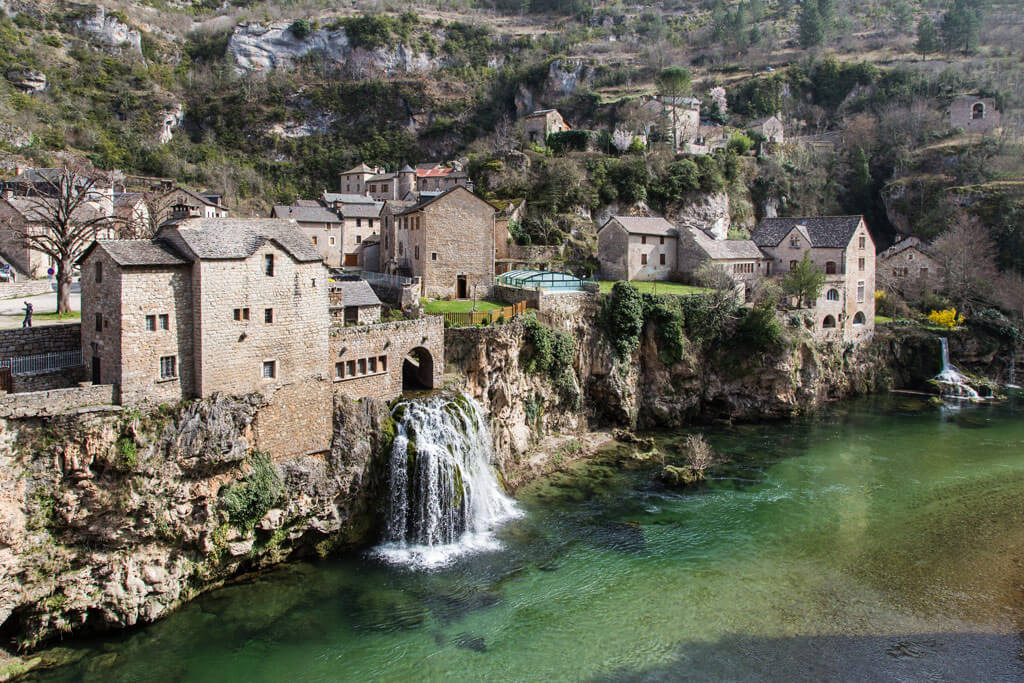
The Gorges du Tarn is one of the most beautiful destinations in Occitanie for nature lovers. It is a vast canyon carved into a limestone plateau by the Tarn River, located between the Causse Méjean and the Causse de Sauveterre. The area is home to charming villages, medieval churches, ancient châteaux, and historic fortresses.
Today, the Gorges du Tarn is well known for a wide range of outdoor activities, including rafting, rock climbing, and kayaking. It is also a wonderful region to discover on a road trip, offering scenic routes, impressive landscapes, and breathtaking views. You can explore the list of adventure activities available in the Gorges du Tarn.
11. The Camargue
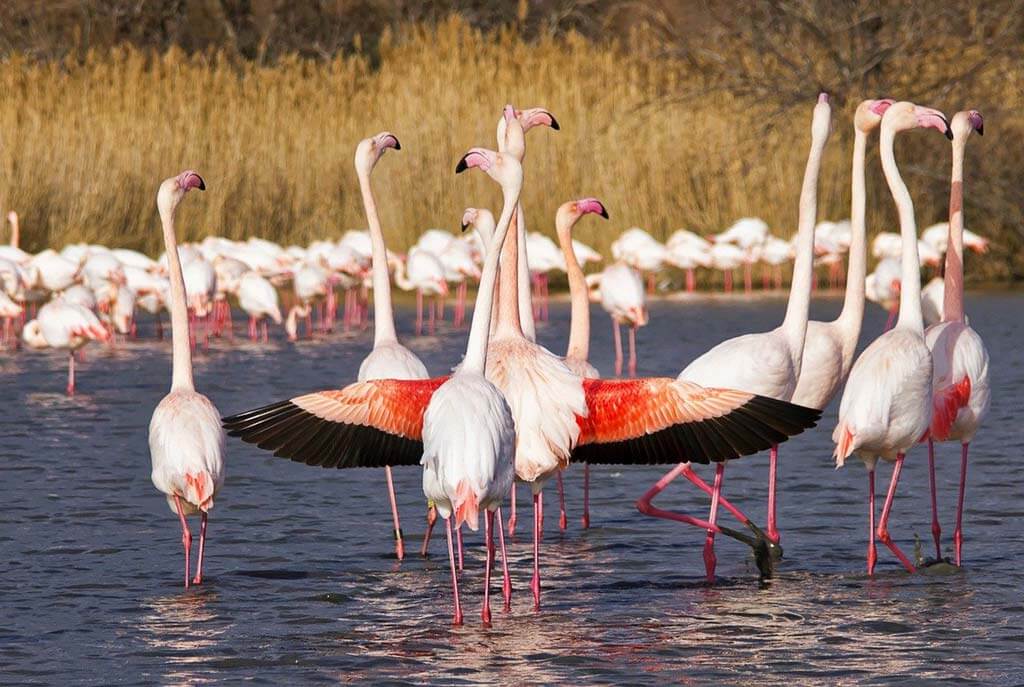
The Camargue is one of the most unique places to visit in Occitanie and all of France. This natural area, which extends over more than 100,000 hectares between the regions of Occitanie and Provence-Alpes-Côte d´Azur, is world-renowned for its magnificent open spaces and exceptional fauna, including flamingos, breeding bulls, and horses.
Whether you visit the Camargue on a weekend getaway or a longer vacation, be sure to book your stay well in advance. The best places to set your base camp for visiting the Camargue are Arles, Les-Saintes-Maries-de-la-Mer, Aigues-Mortes, and Saint-Gilles. For a unique stay, however, book at Hotel La Tramontane. Located in a beautiful setting near Saintes-Maries-de-la-Mer, it offers a beautiful infinity pool and good on-site restaurant – Click here to book your stay in the Camargue
12. Canal du Midi
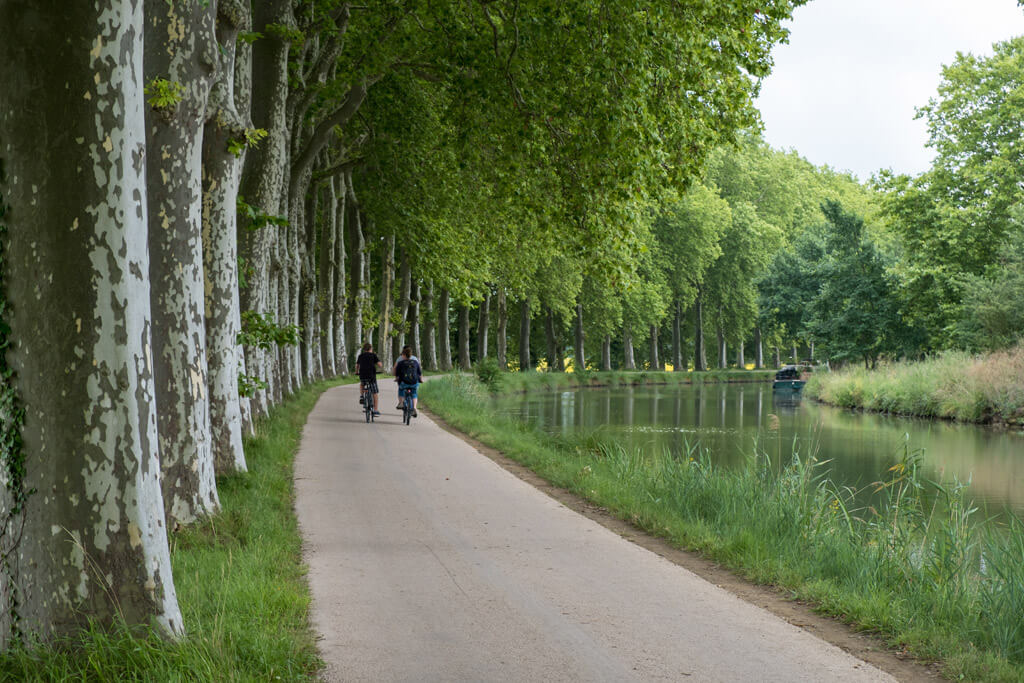
If you are wondering what to do in Occitanie for bike and nature lovers, the Canal du Midi is an excellent choice. Stretching from Toulouse to Sète, the Canal du Midi is a feat of architectural genius that connects the Atlantic Ocean to the Mediterranean Sea. This 17th-century construction designed by Pierre-Paul Riquet required 12,000 men over fifteen years, from 1666 to 1681.
In addition to its excellent bike trails, visitors can hire boats and hotel barges to sail along the canal at their own pace. Some hikers use the canal trail to travel to the Camino de Santiago in Spain.
13. Mediterranean Towns
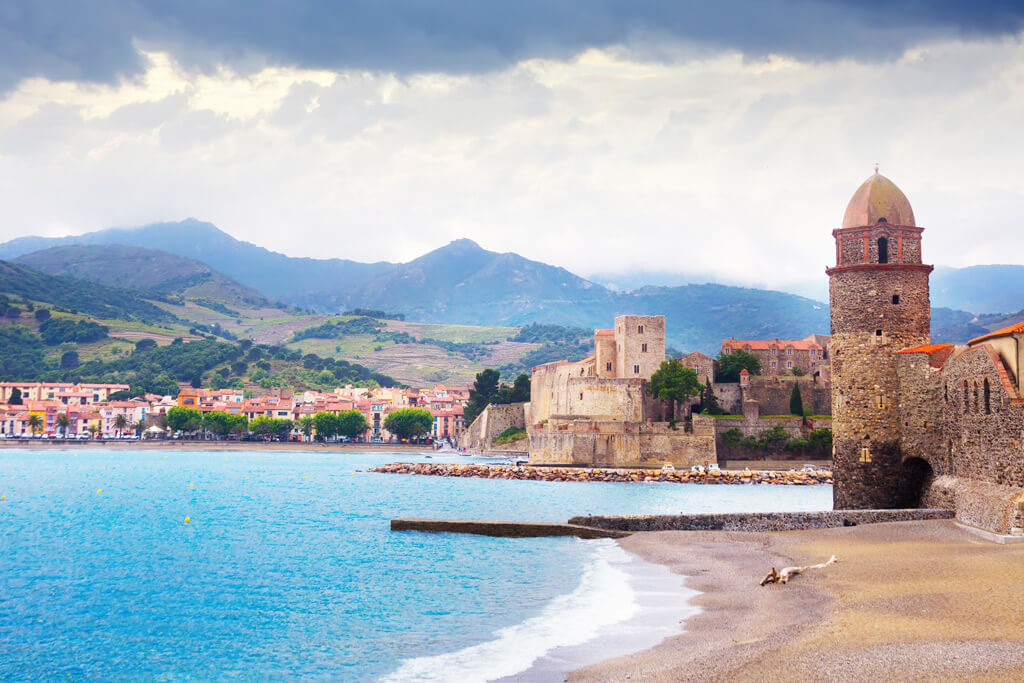
Bordered by the Mediterranean Sea, the Occitanie region has no shortage of pretty coastal towns perfect for some days of bathing, relaxation, and water sports.
Here, you can find some of the most glorious beaches in France, vibrant fishing villages, and thriving market towns.
Amongst the coastal towns that populate the coast in Occitanie, outstands Collioure – the center of the Fauvism movement; Gruissan – characterized by its typical beach houses built on stilts; and Sète – raised from nothing to connect the Canal du Midi to the Mediterranean Sea.
Occitanie Food & Wine
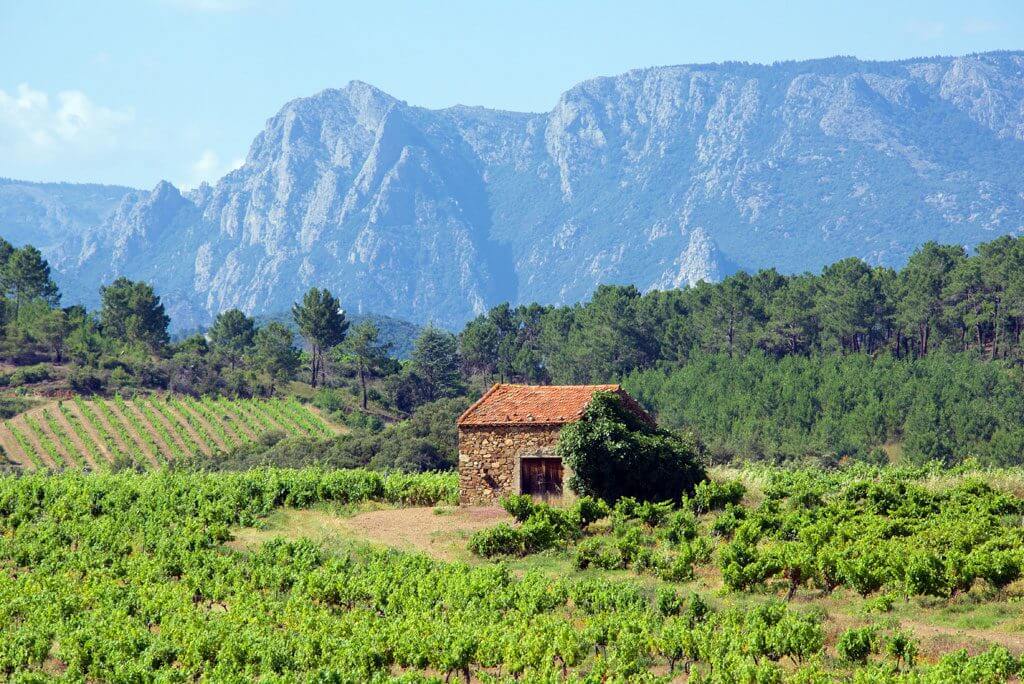
Occitanie offers excellent regional specialties. The Occitanie food is quite different depending on where you are.
Toulouse cuisine is a great introduction to Occitan food, featuring the famous saucisse de Toulouse and one of the best cassoulets in the region (a bean stew casserole with pork or duck). In the former Languedoc-Roussillon area, visitors can enjoy excellent seafood platters with clams, oysters, and mussels, the well-known cassoulet from Castelnaudary, high-quality rice from the Camargue, and a wide variety of local biscuits and pastries.
The list of typical dishes from the Pyrénées includes Tarbes beans, lamb, aligot (a creamy potato and cheese dish), and garbure, a traditional mountain soup made with cabbage and pieces of ham. The Pyrénées are also well known for their cheeses, produced from both cow’s and sheep’s milk, often enjoyed with wines from appellations nearby such as Jurançon, Gaillac, Cahors, Madiran, as well as Armagnac.
The Languedoc–Roussillon wine region is France’s largest wine-producing area by vineyard surface area, although it is not as famous as other wine regions in France. Languedoc wines are excellent and affordable, and are usually made from Merlot, Cabernet, and Syrah. Also, there are plenty of quality whites made of Sauvignon Blanc, Chardonnay, Grenache, and Muscat Blanc.
I hope that you enjoyed this list of the best places to visit in Occitanie, France. You will find more ideas for things to do and places to see in the Occitanie region category. If you would like to learn more about other regions of France, you can read this article on the French regions, where I have summarized the highlights of each one.