Article written by Elisa
This article may contain compensated links. Please read disclaimer for more info.
France, the world’s wine capital, is home to some of the most legendary vineyards. From Bordeaux and Burgundy to Champagne and Provence, each offers a different experience depending on when you go.
The best time to visit France’s wine country isn’t just about the weather – it’s also about the winemaking process, intimate cellar tastings, and soaking up local life between the vines.
But of course, you don’t travel to a country like France just for the wine! There’s also the rich history, vibrant culture, and stunning landscapes that come with those world-class bottles – and each season brings its own unique vibe.
Wondering when to visit vineyards in France? Having explored the main wine regions in France in every season, I can help! Keep reading to discover what each season offers, along with some tips drawn from my own experiences.
Wine Travel in France, Season by Season
Choosing when to visit is as much about your taste for adventure as your love of wine. Whether you crave vibrant festivals, peaceful tastings, or the thrill of the harvest, France’s vineyards promise unforgettable moments that will stick with you for many years to come.
→ Read my guide to the best wine festivals and events in France
Winter (December to February)
From November to February, the vineyards of France take on a very different character. The vines lie dormant, stripped of their leaves, leaving behind a serene and minimalist beauty in the rolling landscapes.
This is pruning season, an essential part of the winemaking cycle. Workers move methodically through the bare vineyards, shaping the vines for the year ahead and ensuring the quality of future harvests.
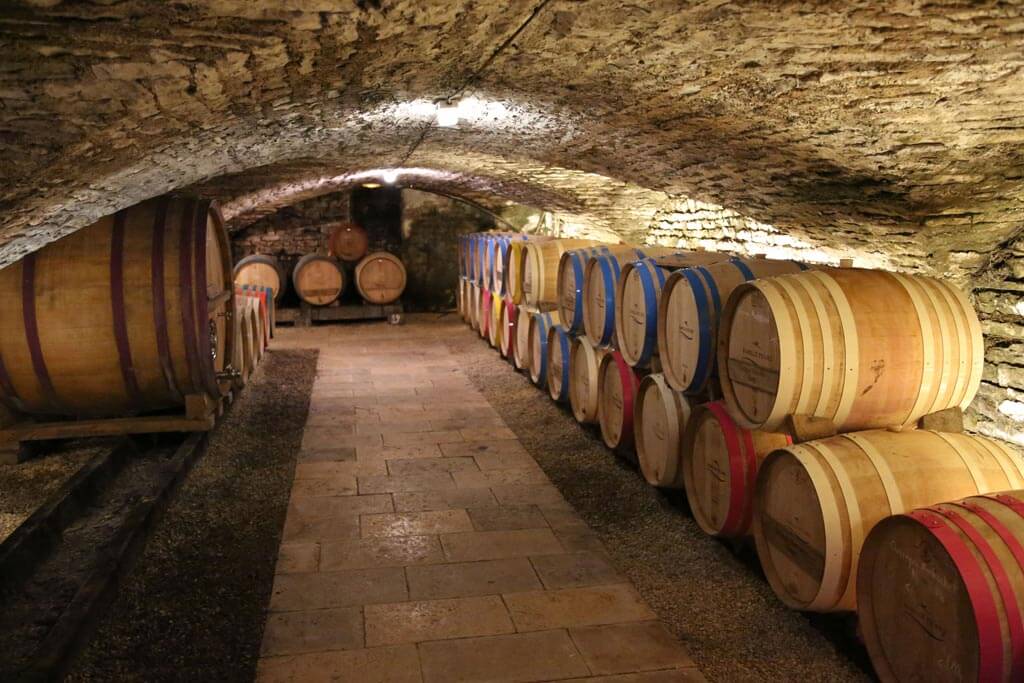
While the fields are still, the wine cellars become the heart of activity, offering visitors an intimate look into the hidden side of wine production.
Highlights:
- Serene landscapes
- Fewer crowds
- More personal experience
- Weather is cold and wet, days are short
- Low travel season in France
Depending on when you visit during these months, you may witness different cellar tasks. In December, red wines are being loaded into barrels while white wines are aged and stirred to develop their flavors. January often brings the first bottlings, while February is a time for racking, blending, and topping up barrels, as well as the bottling of rosés. Each visit has its own unique discoveries, making no two trips alike.
If you travel to the Armagnac and Cognac regions, winter is distillation time, continuing until the end of March. The air here carries rich aromas as copper stills transform the wine into the world’s finest brandies, offering a different but equally captivating experience.
With fewer tourists around, vineyard visits in winter feel more personal and relaxed. Festivals such as the Saint Vincent Tournante in Bourgogne or La Percée du Vin Jaune in the Jura add color and celebration to the season, blending culture and tradition into the quiet beauty of the French wine world. And there are many wine fairs in the main wine regions in France.
Visiting France in winter offers a quieter, more budget-friendly experience, with cheaper prices on flights and accommodations, and far fewer crowds at popular landmarks.
While the weather can be cold and damp, and the days are shorter, it’s a great time to enjoy museums, cozy cafés, and authentic local life in cities like Reims, Bordeaux, and Dijon without the tourist hustle. However, in rural areas, especially smaller towns, you might find a sleepier atmosphere with limited activities, as some restaurants, shops, and attractions reduce hours or close entirely for the season. But if, like me, you plan your winter travels around major events like the Alsace Christmas Markets, it’s easy to combine festive winter fun and the calm of in-town wineries.
Spring (March to May)
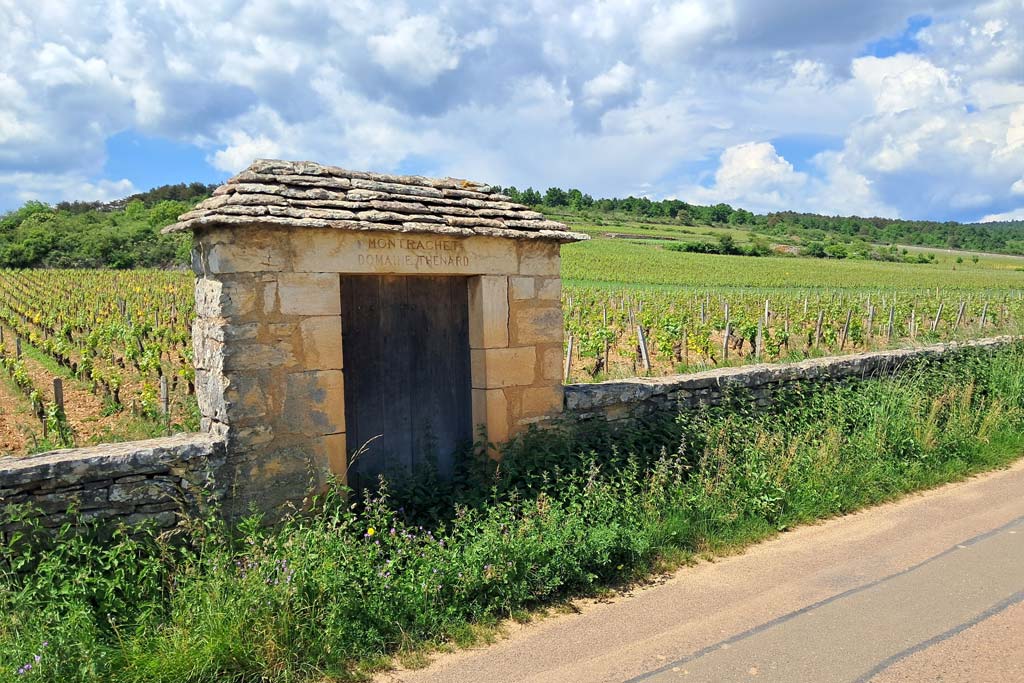
In spring, the vineyards of France awaken from their winter rest and burst into life. This is the growing season, when the vines begin to bud in March and the first signs of green return to the hillsides. Local flowers bloom alongside the vineyards, adding splashes of color that transform the countryside into a vibrant, fragrant landscape.
Spring is a season full of promise, with the first hints of the new vintage taking shape in the fields.
March is also the time for plowing, when the soil is turned to prepare for the growing cycle, and in April, new vines are planted, securing the future of the vineyards for generations to come. These months highlight the rhythm of vineyard life, with each action laying the foundation for the quality of wines that will be enjoyed years later.
Inside the wine cellars, work continues steadily. Wines are aging quietly in barrels, slowly developing their character, while bottling of whites and reds often takes place during spring.
April also brings racking and blending, when wines that have spent one or two years in barrels are carefully transferred and combined to achieve balance and complexity.
Highlights:
- Growing season
- Spring flowers
- Unpredictable weather
- Shoulder travel season in France
If you are in Bordeaux, April means the excitement of the Bordeaux Primeurs tastings, where experts sample the latest vintage straight from the barrel.
France in spring is the perfect time to enjoy outdoor cafés, stroll through charming markets, and explore historic towns like Beaune or major cities like Aix-en-Provence in comfortable, mild temperatures. While some tourist spots begin to buzz again, it’s still quieter than peak season, making it easier to savor authentic experiences. I had a great time biking through the vineyards of Bourgogne in late April and exploring the vineyards near Nice in May before the summer crowds arrived.
Summer (June to August)
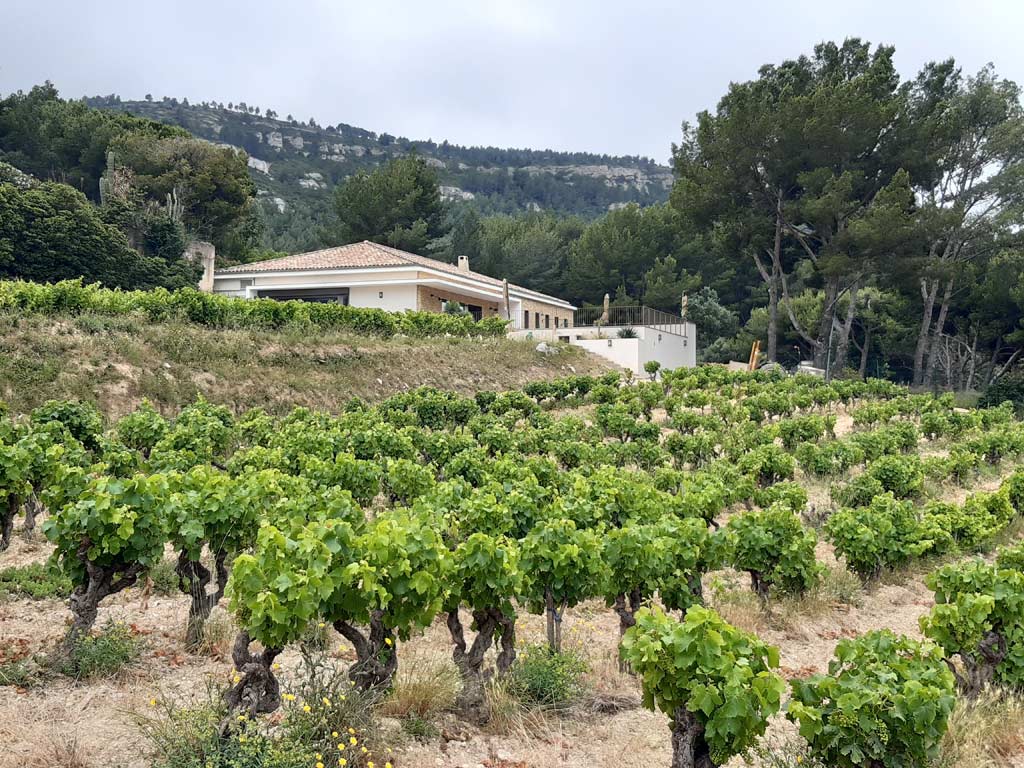
In Summer, the French vineyards are at their most spectacular. The vines are in full bloom, with flowers giving way to tiny grapes. June marks flowering and fruit set, while July brings véraison, when berries change color and begin ripening under the summer sun. The landscapes are at their most picturesque, with lush greenery and golden light stretching across the hills.
When I visited the vineyards of the Northern Rhône in July, I quickly understood why Côte-Rôtie bears its name!
Inside the wine cellars, preparations begin for the busy harvest season. Barrels are cleaned, equipment is checked, and tools are readied. If you visit Champagne in July, you may witness the disgorgement of non-vintage champagnes, a key process that ensures sparkling wines reach their signature clarity and finesse.
Highlights:
- Landscapes in full bloom
- Warm /hot weather
- High travel season in France
The summer months are full of festive energy, with major events like the Bordeaux Wine Festival in late June and the Route du Champagne in late July or early August. In 2025, the harvest season even began at the end of August, adding an exciting preview to the season ahead.
Summer in France brings long, sun-filled days perfect for combining wine travel with other leisurely activities. Visitors can enjoy picnics or dinners among the vines, cycle through scenic routes, or join guided tastings while soaking in the warm weather. I loved pairing my visit to the Châteauneuf-du-Pape vineyards with La Fête de la Musique in Avignon, and visiting the vineyards of Cassis alongside kayaking in the Calanques. Just be sure to book accommodations and activities well in advance!
Fall (September to November)
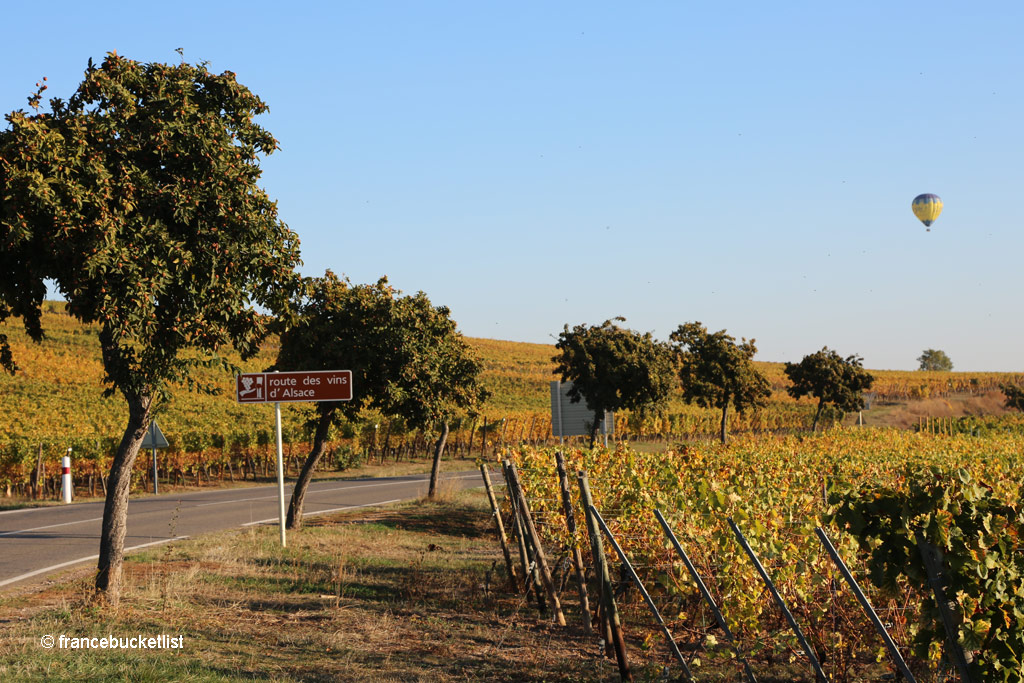
Fall paints the French vineyards in breathtaking colors, with golden leaves and heavy grape clusters creating unforgettable scenery. This is harvest season, stretching from September through October, and lasting until November for producers of sweet wines. The atmosphere is vibrant, filled with the energy of workers and the anticipation of a new vintage. In the Loire Valley wine region, I had a great time celebrating the harvest and tasting the wines. Every year, a different town holds the harvest festival, so you’ll want to know where to go!
Autumn is my favorite time to visit the French vineyards. I loved visiting Bordeaux in October to tour the misty vineyards of Sauternes and Barsac, famed for grapes touched by noble rot. And I found the Alsace wine region and the rolling hills of the Champagne wine region dressed in fall colors simply spectacular.
For visitors, autumn is the perfect moment to see the production side of winemaking up close. Wine cellars are in full swing, with grapes being sorted and crushed, followed by maceration and fermentation. The process is dynamic, changing week by week, and by November, many estates are already blending their red cuvées. Tastings at this time are particularly exciting, as they often include young wines straight from the vat.
Highlights:
- Harvest season
- Vibrant colors
- Unpredictable weather
- Shoulder travel season in France
Fall is also a festive season, with harvest celebrations and major events such as the wine auction at the Hospices de Beaune and the release of Beaujolais Nouveau in November. Wine tours are extremely popular during this period, so planning and booking ahead is essential.
A trip to France in the fall also has its perks. It is shoulder season, meaning lower prices for trains and accommodation, though the weather can be unpredictable. Expect heavy rainfall in southern France in September, especially in Languedoc-Roussillon, and significant showers in Bordeaux from October on (been there, suffered that!!).