Article written by Elisa
This article may contain compensated links. Please read disclaimer for more info.
Grand Est• Road Trips• Wine Travel
Paris to Champagne Road Trip: Wine, History, and Timeless France
21/09/2026Paris to Champagne By Car: Vineyards, Villages, and the Luxury of Time
A road trip through Champagne is far more than a series of cellar visits – if that’s all you’re after, you’re only seeing half the picture. This journey blends renowned maisons with independent growers, yet it also embraces vineyards, charming villages, cultural heritage, and the art of slow travel.
Curated by a certified French Wine Ambassador, this Champagne itinerary 5 days goes beyond the typical checklist. It is the quintessential Champagne experience for discerning travelers who value depth over rush.
NB. This is a suggested itinerary with wineries that are easy to book online with instant confirmation. For a bespoke itinerary with winery recommendations tailored to your preferences and wine taste, head to my consultation page ➜
Big Maisons vs. Small Champagne Growers: Things to Know
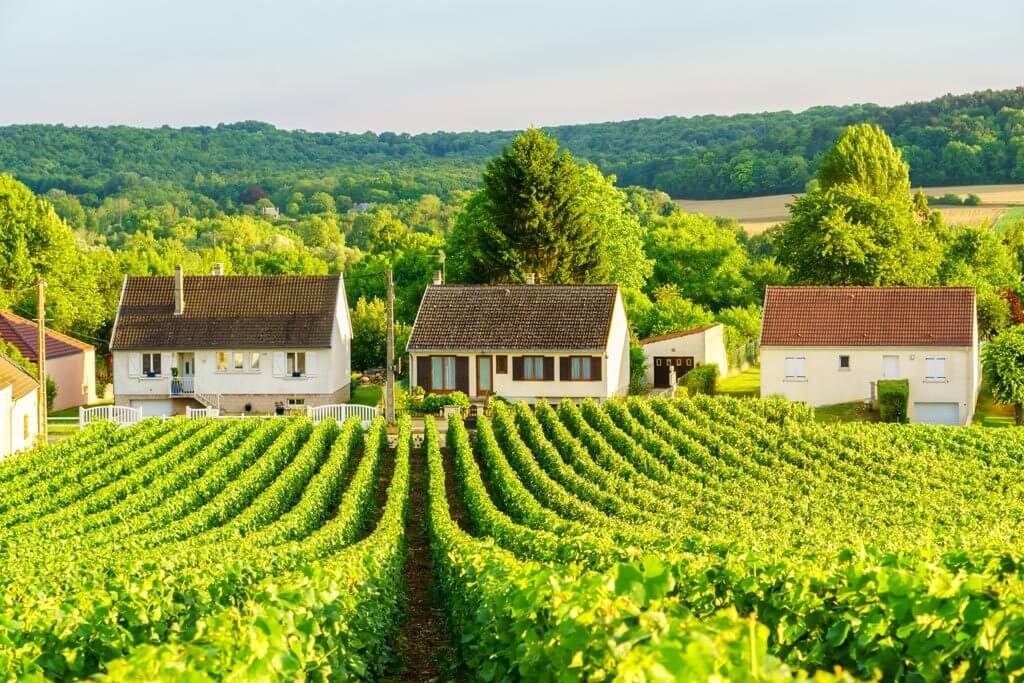
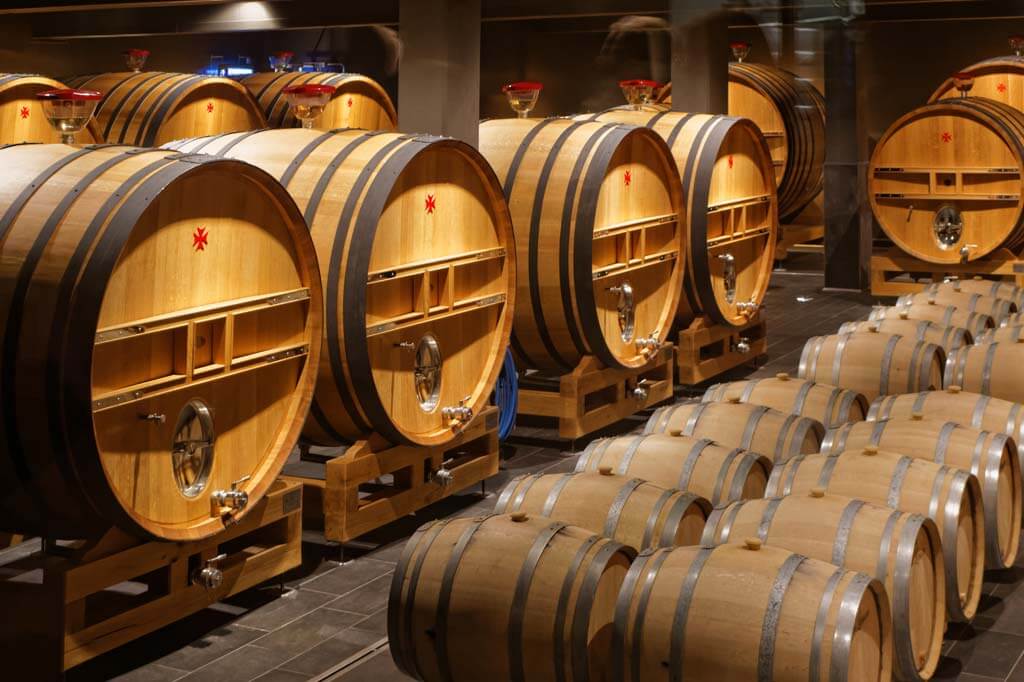
The region of Champagne might just be one of France’s most famous wine regions, if not even the world! While many vineyards in the world produce sparkling wine, it can only be labeled as “Champagne” if made in this wine region.
While the most famous wine of the Champagne wine region is Champagne itself, you can also find dry reds, whites, and rosés. The main grape varieties in the Champagne wine region are the Chardonnay for the whites and the Pinot Noir and Pinot Meunier for the reds.
Despite the dominance of certain Grandes Maisons and ever-rising land prices, some independent winegrowers continue to resist and succeed in crafting exceptional ‘auteur champagnes.’ By working the land in smaller areas, on a human scale, these winegrowers can respect the vines and, therefore, collect grapes at the right maturity. They generally make less use of the various chemical substances that can be used in viticulture and produce great vintages without makeup.
A visit to a Grande Maison is usually polished but predictable, often focused on marketing and a signature style. The expansive cellars and playful presentation make it especially appealing for first-time visitors while the combination of history, architecture, and Champagne creates a unique and memorable visit.
By contrast, visiting the small, independent growers is about philosophy, vision, and a story waiting to be discovered. And sometimes, these tastings become far more than just wine experiences.
Are you drawn to the Grandes Maisons, small Champagne growers, or a mix of both? Below is a curated list of Champagne addresses for those seeking either the spectacle or the authentic, terroir-driven experience. In both cases, be sure to book the visits in advance – for the Grandes Maisons, plan several months ahead.
Paris to Champagne Road Trip Overview
- Start: Paris
- Finish: Paris
- Duration: 5 days
- Suggested Route: Paris – Reims – Epernay – Troyes – Provins – Paris
- Total distance: 453 km, 6 hours drive in total
- Regions covered: Grand Est, Ile-de-France
- Best for: champagne-tasting, vineyards, heritage, slow travel.
For the full experience, avoid departures on Monday or Tuesday.
Road Trip Champagne Itinerary Day by Day
- Day 1 – Paris to Reims: From Hidden Crypts to Grand Cathedrals
- Day 2 – Champagne Experiences in Reims
- Day 3 – Reims to Épernay: Avenue de Champagne and Villages
- Day 4 – Troyes: France’s Forgotten Medieval Capital
- Day 5 – Provins: Medieval Remparts and One Last Glass Before Paris
This road trip to Champagne is one of the most beautiful road trips in France. Click here for the best French road trips.
If this is your first time driving in France, this France by Car guide will come in handy.
Road Trip to Champagne Map
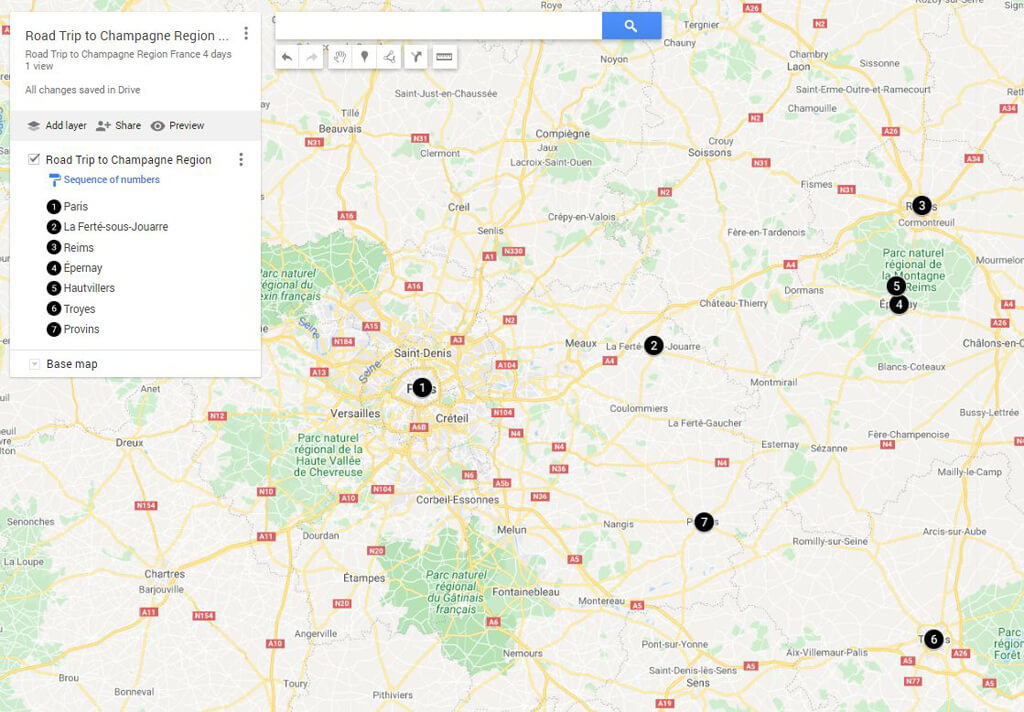
Click here to view this Road Trip Paris to Champagne Map on Google
Day 1 – Paris to Reims: From Hidden Crypts to Grand Cathedrals
The starting point of this Champagne road trip is Paris. If this is your first time in the city and you have some extra days, it’s worth spending some time in the French capital before hitting the road – check out this article to decide how many days to stay in Paris. This Paris trip planner will help you to decide where to stay and what to do.
If you need to hire a car, wait until the end of your stay in Paris to pick up your rental car. Click here for our best tips for renting a car in France.
En Route: The Intriguing Crypts of Jouarre
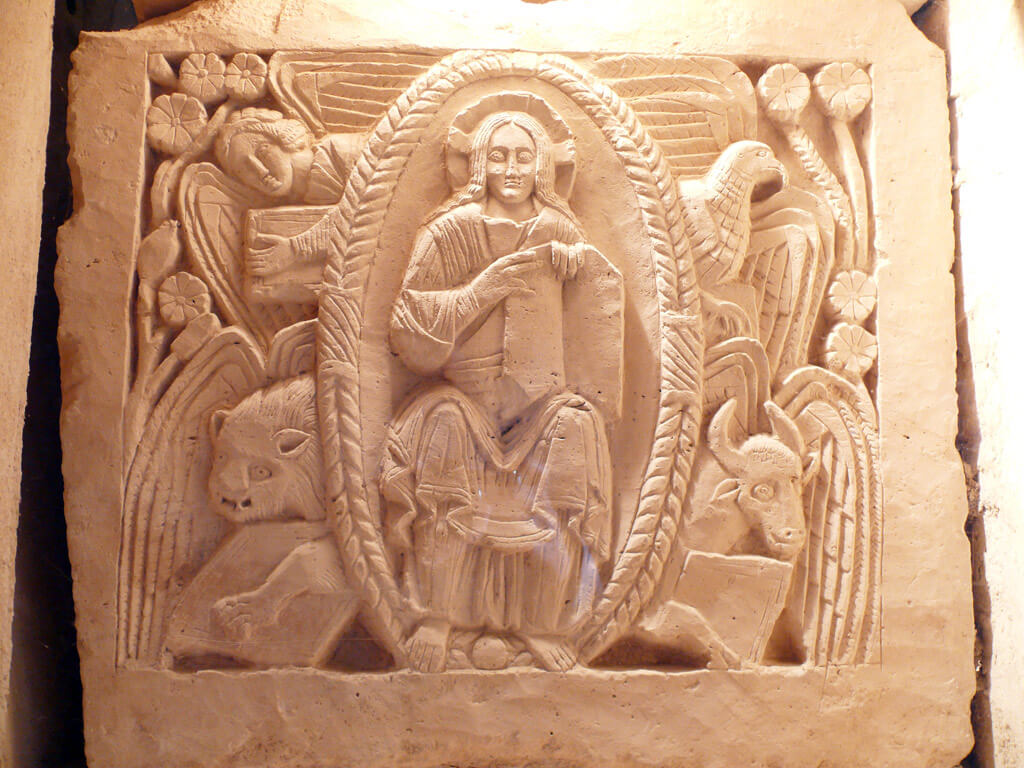
Driving from Paris to Reims via the A4 is straightforward and takes just 1.5 hours. But this is a journey to be enjoyed as much as the destination – especially if you have the chance to step back in time :).
Along the way, stop in La Ferté-sous-Jouarre. This small town, and specifically its abbey, has an intriguing Merovingian crypt underground that’s well worth a visit.
Dating back to the 7th century AD, the crypt is one of the oldest in Europe. It was built during the Merovingian era, and houses the tombs of the founding family of the Abbey of Notre Dame de Jouarre. The architecture and decoration of the crypt and tombs combine influences from several eras – Merovingian and Carolingian – and also from European and Mediterranean origins.
One of the tombs has a Christ Pantocrator (picture above) in a mandorla surrounded by the creatures of the tetramorph in excellent condition, the oldest recorded in art history!
The Merovingian Crypt of Jouarre is open from Wednesday to Sunday, with different opening times depending on the season. You can check all the information here. Your visit will start at the Tourism Office, where you will ID check and collect the audio guide.
Visit Reims, the Capital of the Champagne Region
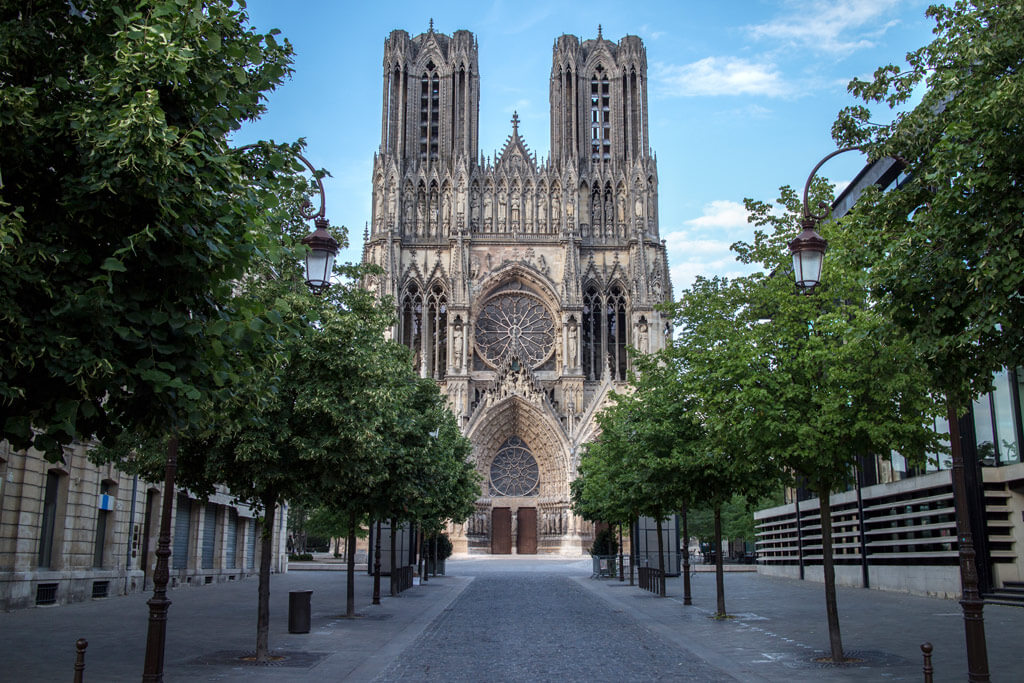
Day 1 of this road trip to Champagne from Paris visits Reims. The capital of the Champagne region, with many historical gems to visit, is undeniably an essential place for French history.
Reims is famous for its magnificent Notre Dame de Reims Cathedral, which is one of the best Gothic Cathedrals in France. From King Clovis to the French Revolution, all the Capetian Kings of France (with few exceptions) were crowned in the Reims Cathedral.
The Cathedral’s main facade is one of the most beautiful in France, and apart from the famous smiling angel, it is also known for its impressive Galerie des Rois de France (French Kings’ Gallery), best admired at sunset. Inside, don’t miss the stained glass windows behind the choir by Marc Chagall; they are stunning!
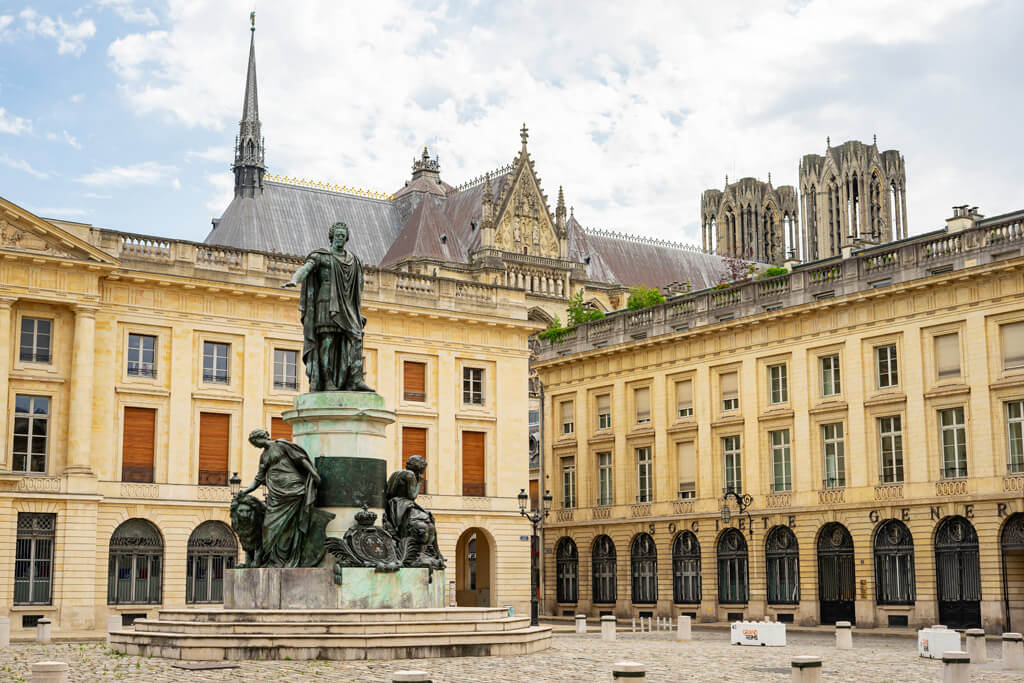
Once you’ve admired Notre Dame de Reims, wander through the city streets and uncover its charms – use my Reims guide to make the most of your visit.
Champagne Tasting in Reims
There’s no better way to close the day than with Champagne tastings. For your first visit, I recommend Champagne Lanson (Champagne Grand Cru), the only Grande Maison in the heart of Reims offering visits from the vine to the glass. A true initiatory journey, the visit takes visitors through the different stages of the elaboration process in a unique setting.
Founded in 1760, Champagne Lanson is one of the oldest Champagne houses still in operation, well known for its fresh, crisp, and elegant Champagnes. Working with balanced blends of Pinot Noir, Chardonnay, and sometimes Pinot Meunier, most wines are non-malolactic fermented, which gives them a bright, zesty character with a clean finish.
Where to Stay in Reims
For a total Champagne experience, stay at Château de Sacy, in the heart of the vineyards. Located in the charming village of Sacy, 11 kilometers from Reims, this intimate gem offers 12 rooms and suites, a restaurant with refined cuisine, and great Champagnes.
If you prefer to stay more central, book at Domaine Les Crayères, an iconic property in the city nestled in a seven-hectare park only 300m from the Pommery Champagne House. Commissioned by the Marquise de Polignac, this superb villa belonged to her descendants until 1978 – Click here to book your stay at Domaine Les Crayères
Day 2 – Champagne Experiences in Reims
Visit Some of the Grand Champagne Houses in Reims
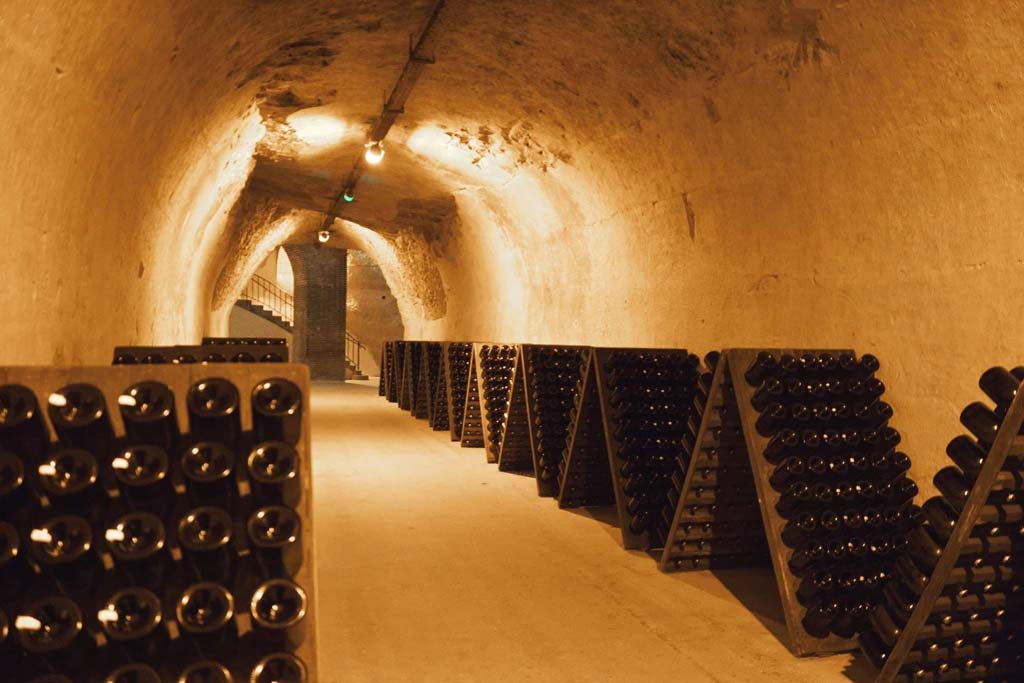
After a delicious breakfast with iconic vineyard views at Château de Sacy, visit one of the Grand Champagne houses in Reims. These are the iconic names with historic cellars and guided tastings that I recommend:
Veuve Clicquot – Bold, rich, and full-bodied Champagne with a signature toasty character. Offers tastings, cellar tours, and sometimes food pairings. The historic cellars are spectacular.
Pommery – Elegant and refined Champagne, often floral and citrus-forward with bright acidity and a creamy, delicate finish. Offers tastings and guided tours through its impressive underground cellars, which also feature contemporary art installations.
Taittinger – Light and fresh, Chardonnay-dominant Champagne with floral notes, finesse, and a silky, vibrant finish. Offers tastings and tours of its historic Gallo-Roman chalk cellars (crayères), showcasing centuries of Champagne heritage. The experience is sophisticated, elegant, and distinctly refined.
Ruinart – Delicate, fresh, Chardonnay-led Champagne with aromatic, subtly toasty, and nutty notes. Offers tastings and visits to the oldest chalk cellars in Reims, paired with insights into the house’s premium cuvées.
GH Mumm – Full-bodied, fruit-forward Champagne with classic toasty notes and a long, clean finish. Offers guided tours of historic cellars and tastings, sometimes with food pairings.
You will find more suggestions in this article about the best Champagne houses in Reims.
TIP: If you plan to bring a few bottles home (who could resist?!), make sure you pack your wine properly so it arrives safely home!
Followed by a More Terroir-Focused Champagne Experience
For a more intimate, terroir-focused Champagne experience, I recommend these small grower-producers, each offering tastings, cellar tours, and direct sales. They are located across three Premier Cru villages, just a few kilometers outside Reims:
- Champagne M. Brugnon (Écueil) – produces Champagnes (primarily from Pinot Noir and Chardonnay) from their own vineyards, focusing on terroir and quality. Champagnes are elegant, fresh, and well balanced.
- Champagne J.C. Grill & Fils (Sacy) – produces rich, structured, and elegant Champagnes primarily from Pinot Noir. They are less toasty/yeasty than large grand houses, emphasizing the purity of the grapes and the vineyard
- Champagne F. Bergeronneau – Marion (Ville-Dommange) – produces elegant and expressive Champagnes, mainly from Pinot Noir and Chardonnay, focusing on purity of fruit rather than heavy toasty or oaky flavors.
Pair it with Regional Specialties
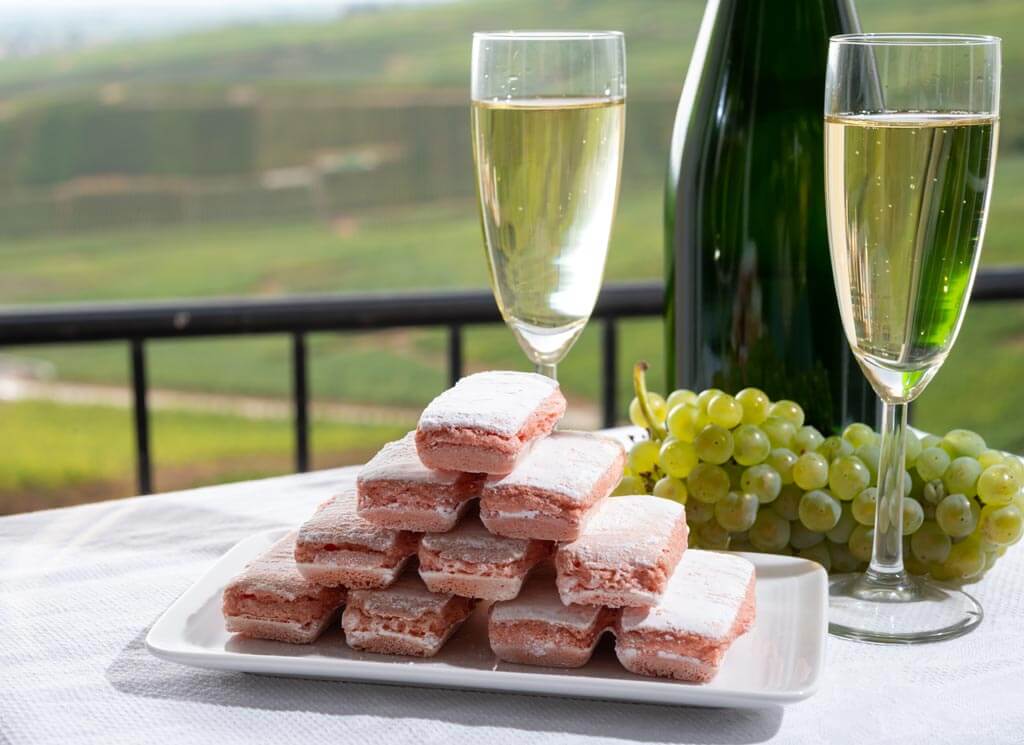
There’s no shortage of great places to eat in Reims. In fact, the city has many of its own specialties that are worth sampling while you’re here.
Les Halles du Boulingrin (50 Rue de Mars, open on Wednesdays, Fridays, and Saturdays) is a good place to start your food explorations. This covered offers an abundance of fresh produce from the region, mouth-watering baked goods, and locally produced food items. Be sure to try the local ham, mustard, and Chaource, a soft, semi-crumbly cheese made of sheep milk.
A stop at Maison Fossier (20 rue Maurice Prévoteau) is another must when you visit Reims. Fossier Biscuits have been around since the late 17th century and are most famous for their Biscuits Roses de Reims (Pink Biscuits). You can discover the secrets of their delicious sweets with their 1-hour guided tour.
If you’re willing to shell out the cash, there are five Michelin-starred restaurants in Reims! Be sure to make reservations far in advance.
Day 3 – Reims to Épernay: Avenue de Champagne and Villages
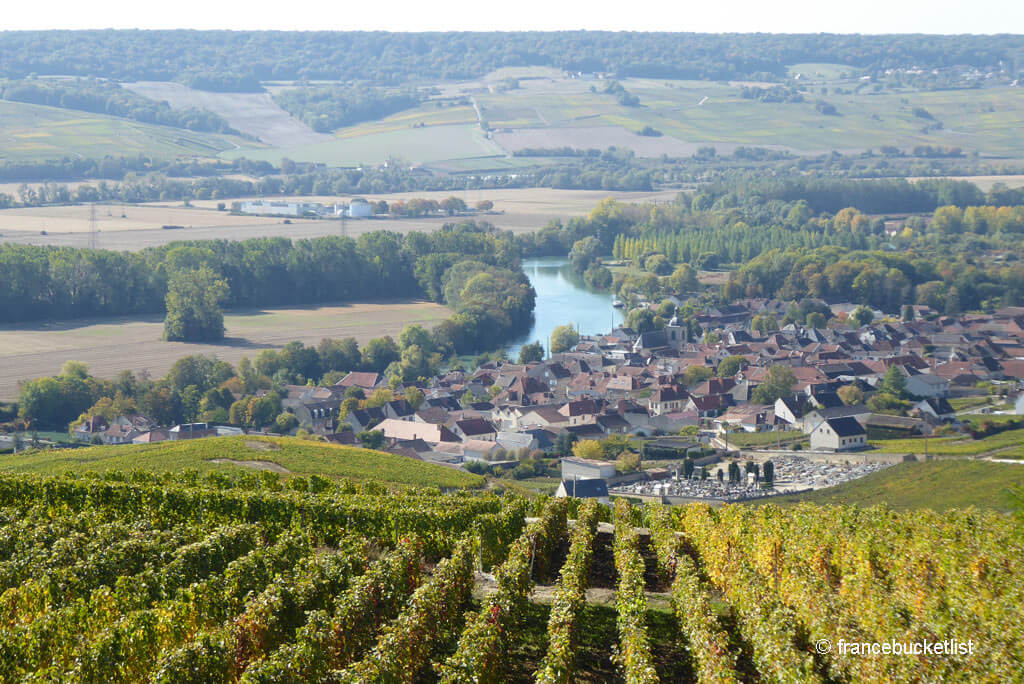
Day 3 of this road trip Champagne, France, explores the town of Épernay and its surroundings. While Reims is the capital of the Champagne region, Épernay is best known as the capital of Champagne wines.
Explore Épernay’s Avenue de Champagne
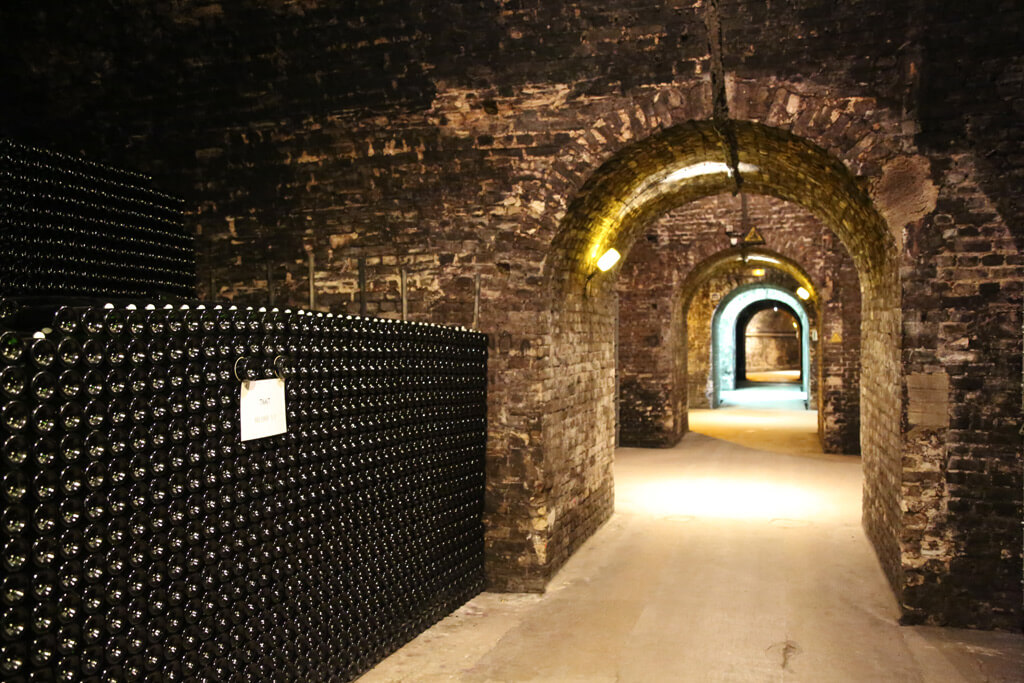
Stroll along Avenue de Champagne, home to the Hôtel de Ville (town hall) and many villas belonging to wealthy wine merchants (Moët et Chandon, Perrier Jouet, Pol Roger, and Mercier). Known as the ‘World’s Most Expensive Avenue,’ thousands of bottles of the best Champagne wines are kept in extensive cellars built below the grounds of Avenue de Champagne!
These are some of the iconic names with historic cellars and guided tastings along the Avenue de Champagne:
Moët & Chandon – Elegant and balanced Champagne, often fruit-forward with subtle toasty notes and a creamy texture. Offers guided tours of its monumental cellars, tastings of non-vintage and prestige cuvées, and sometimes food pairings.
Perrier-Jouët – Light, delicate, and floral Champagne, showcasing Chardonnay finesse with notes of white flowers and citrus. Offers tastings and tours of Belle Époque-style cellars, highlighting the house’s artistic heritage.
Mercier – Fresh, approachable, and fruit-forward Champagne with lively bubbles and a clean finish. Offers interactive cellar tours by train, tastings, and sometimes pairing experiences. The expansive cellars and playful presentation make it especially appealing for first-time visitors.
De Castellane – Crisp, structured Champagne with balanced fruit and subtle toasty notes, often Pinot Noir-forward. Offers tastings and tours of its distinctive tower and cellars, with panoramic views over the Avenue de Champagne.
You will find more suggestions in this article about the best Champagne houses in Épernay.
Afternoon in Hautvillers
After visiting Épernay, head to Hautvillers, a small town with a more local feeling. Most of all, Hautvillers is known for the picturesque Abbey of Saint-Pierre, where Dom Perignon is buried.
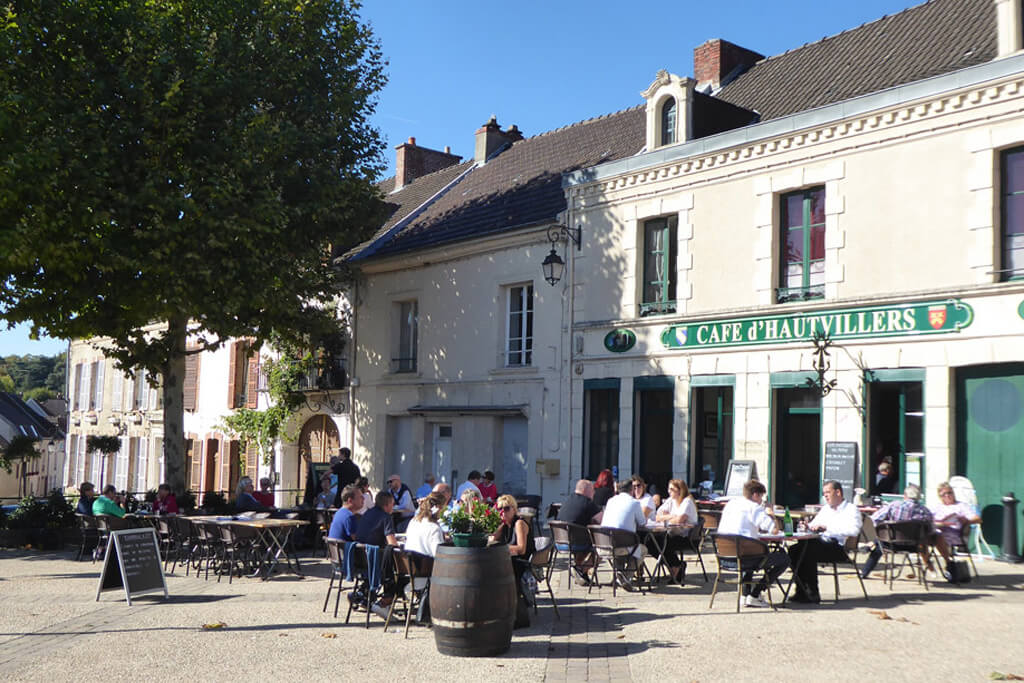
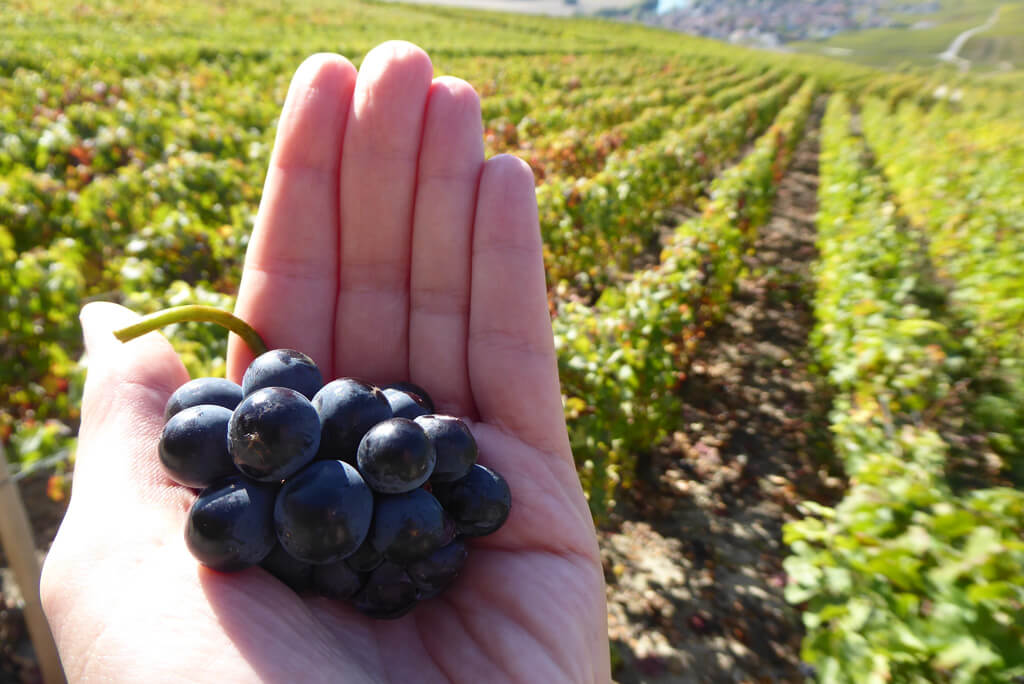
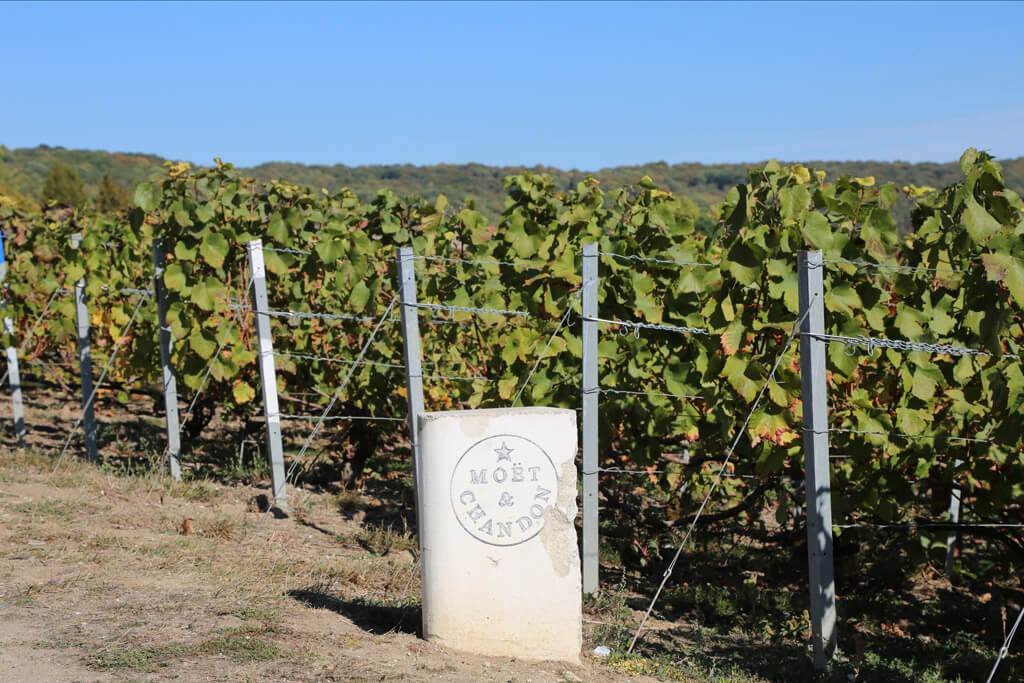
Dom Perignon (1638-1715) was a Benedictine monk in this abbey, credited with the revolutionary champagne method, which transforms a still wine (without bubbles) into sparkling wine. Visitors can see Dom Perignon’s tomb, which is in front of the church’s altar, stroll around the town – surrounded by Moët & Chandon’s vineyards – and visit some small champagne producers for vineyard walks, tastings, and shopping.
Where to Stay in Épernay
After visiting Hautvillers, drive south to Château d’Etoges, where you will spend the night. One of the most beautiful château hotels in Champagne, this 17th-century building, set in a 7-hectare wooded park in the heart of Champagne, is classified as a Historical Monument. Rooms in the château and the orangery have en suite facilities and free Wi-Fi access – Click here to book at Château d’Etoges
If you prefer to sleep in Épernay, Villa Signole by Michel Gonet is a beautiful property located on Avenue Champagne with lovely and picturesque corners around the building – Click here to book at Villa Signole
Day 4 – Troyes: France’s Forgotten Medieval Capital
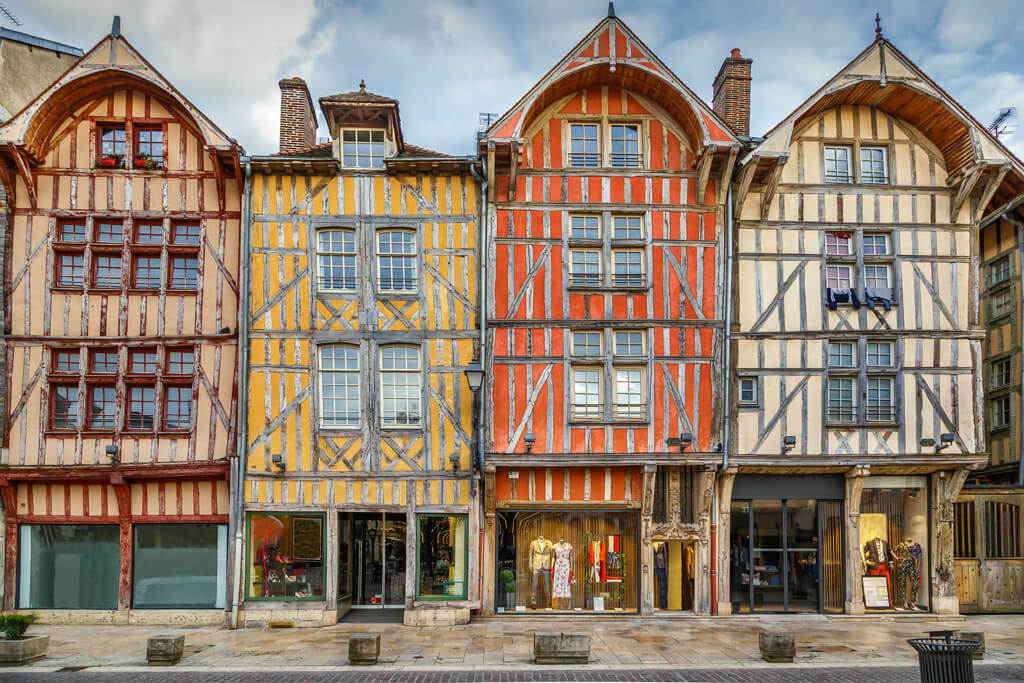
After a good breakfast on the terrace of Château D’Etoges, the next stop on this Champagne itinerary is Troyes, in the south of Champagne.
Troyes was one of France’s most important fair towns during medieval times, a center for hosiery and cloth making. The medieval town hosted two huge annual fairs that brought artisans and merchants from all over Europe.
In 1524, a devastating fire destroyed much of the town, forcing Troyes to be entirely rebuilt. Much of what you see today dates from this period of reconstruction in the 16th century, which gives the city a remarkable architectural harmony rarely found elsewhere in France.
A stroll around the Old Town, steeped in history and with beautiful half-timbered houses, reveals the town’s commercial past. The list of fun things to do in Troyes includes:
- Troyes Cathedral, one of the most beautiful cathedrals in all of France
- Regional Art Museum and Textile-Hosiery Museum at Hotel de Vauluisant
- Museum of Tools and Trades (Maison de l’Outil et de la Pensée Ouvrière)
- Sainte Madeleine Church (12th-13th century)
- Basilique Saint-Urbain
- Troyes’ café culture
After exploring Troyes, drive west to Provins, the last stop of this Champagne road trip.
Day 5 – Provins: Medieval Remparts and One Last Glass Before Paris
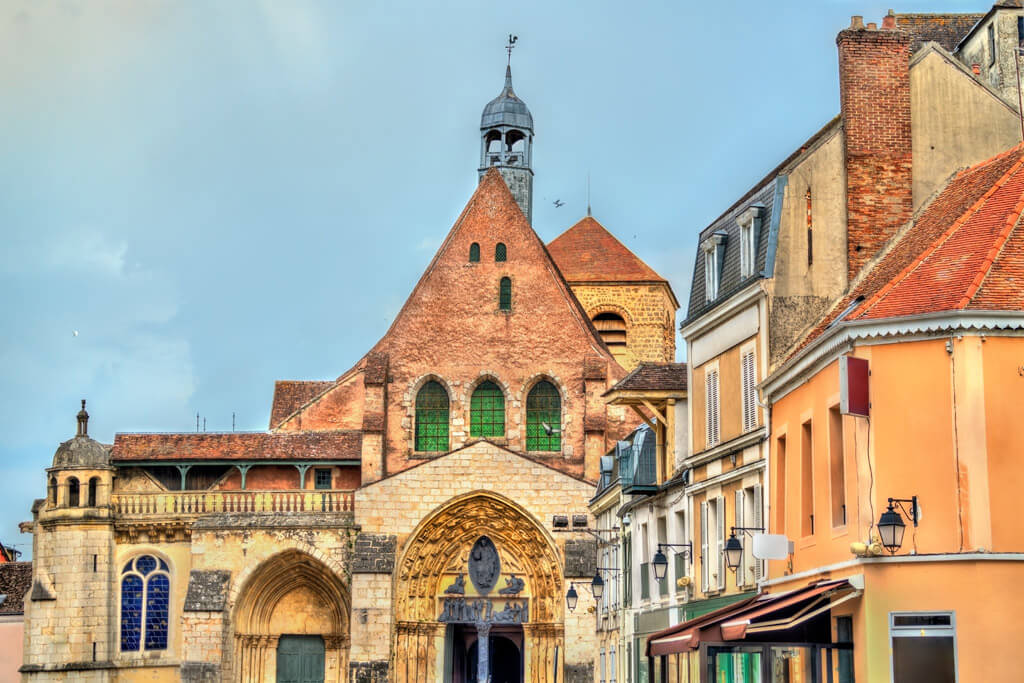
Day 5 of this trip from Paris to Champagne by car is dedicated to visiting Provins, one of the most beautiful walled cities in France. Today, Provins is part of the Ile-de-France region, but in the Middle Ages, it was under the protection of the Counts of Champagne.
Thanks to its strategic location and the Counts’ protection, Provins became one of the most important international fair towns in Europe during the 11th and 13th centuries. Still today, Provins hosts the best medieval fair in Europe (Les Médiévales de Provins), which occurs every year in June. If you visit Provins in December, don’t miss the Medieval Market, one of France’s best Christmas markets.
Visit the Medieval Ramparts and Underground City
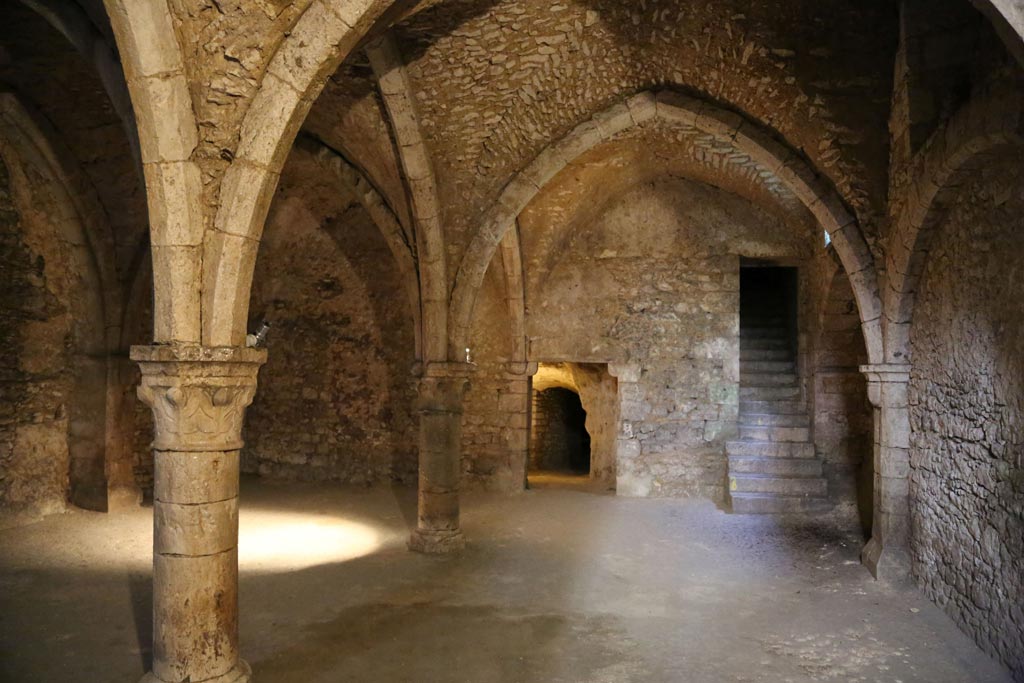
Explore Provins’ Old Town (Ville Haute), a UNESCO Heritage Site. Climb the Tour César, admire its medieval architecture, and stroll along the medieval ramparts for breathtaking views over the plains of Champagne.
The highlight in Provins, however, is its underground city (Les Souterrains de Provins), a vast network of underground tunnels and passages from the 13th century that once connected the houses of medieval Provins. Today, it is possible to visit part of these tunnels on a guided tour, but advance booking is required.
Raise a Final Glass in an Underground Wine Cellar
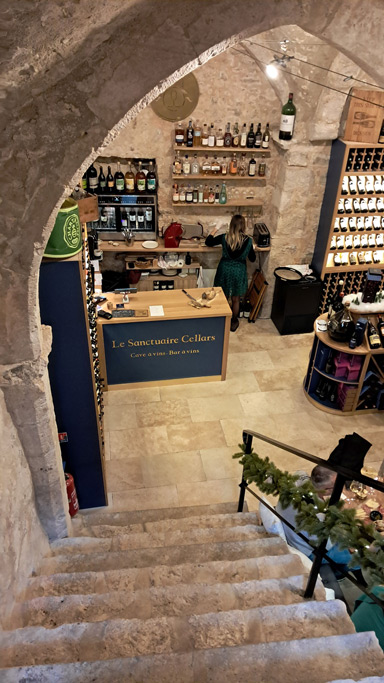
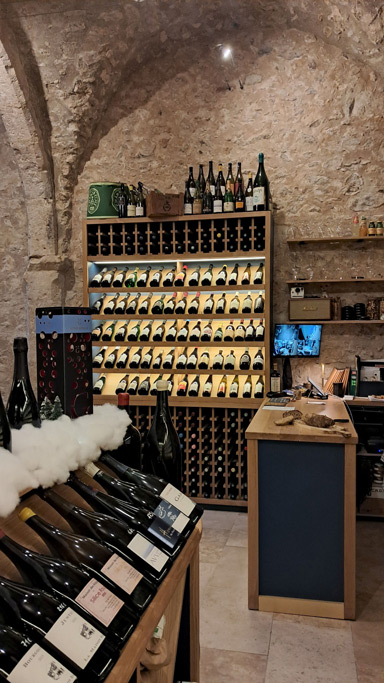
Before heading to Paris, enjoy one last glass of Champagne at Le Sanctuaire (6 Rue Couverte), an underground wine bar nestled in a sumptuous 12th-century vaulted hall. Don’t miss their wine-and-tapas combos – the perfect treat before the final leg of your Champagne road trip.
Where to Stay in Provins
For your stay in Provins, book at Demeure des Vieux Bains, a stunning historical property with comfortable rooms and beautiful gardens to unwind in at the end of the day – Click here to book your stay at Demeure des Vieux Bains
So, what are you waiting for? Start planning your Champagne road trip today!