Article written by Elisa
This article may contain compensated links. Please read disclaimer for more info.
Most wine trips follow the same pattern: a list of famous names or labels, a schedule of back-to-back tastings, and the vague feeling at the end that you tasted a great deal but understood very little.
There is another way to experience wine country in France. Slower, more personal, and – for the right traveler – far more memorable.
As a certified French Wine Ambassador who travels France’s wine regions throughout the year, I know this kind of journey is possible – and this guide is where it starts.

What Is Slow Wine Travel?

Slow wine travel is an unhurried, place-led way of visiting wine regions. It borrows the principles associated with the wider slow travel movement: more awareness, local connection, seasonality, and respect for craft and traditions.
In practice, it means choosing depth over checklists.
It is less about collecting famous labels and more about connecting wines with stories.
Slow wine travel turns a wine holiday into something more rooted, giving a wine, and the place and people that made it, enough time to tell its story.
Rather than treating a vineyard as one stop on a packed itinerary, you give it context. A wine becomes much more interesting when you know where the grapes were grown, who made the wine, what the vineyard looks like, and how it fits into the life of the region. Instead of taking home just another bottle, you leave with a connection to the place it came from.
Slow Wine Travel Isn’t Simply Traveling Slowly
Speed alone is not the point. You could spend a week in one region and still rush from attraction to attraction. Equally, a short weekend can feel wonderfully slow if you stay in one village, book one or two meaningful visits and leave room for an accidental detour.
The difference is intention. How you travel, not how fast you travel.
It’s Not Only About Fine Wine
For years, the ideal wine trip followed a familiar formula: pack as many winery visits as possible into a long weekend, squeeze in a reservation at a sought-after restaurant and head home with a few bottles in the trunk.
That formula is beginning to change.
While fine wine remains the centerpiece of the experience, today’s travelers are increasingly seeking something more immersive– vineyard walks, picnic or a yoga session amongst the vines, chef-led dinners (or lingering over a delicious meal in a local bistro), cycling through wine country, or simply sharing a bottle with people you’ve just met.
Quality over quantity. Depth over checklists. Connection over collection.
Rather than reinventing wine country, it’s more about engaging with a destination rather than simply observe it, to reveal more of its personality.
The People Are Part of the Experience
Wine regions are shaped by generations of growers, winemakers, families, and local communities. They are the reason the wine exists. Spending time with them can reveal things you simply won’t find in a twenty-minute tasting or a guidebook.
Maybe you meet a young winemaker who came back to the family property after working elsewhere. Maybe a co-operative is keeping an almost-forgotten grape variety alive. Maybe a family has been farming the same hillside for generations.
These encounters add another layer to the wine. They help you understand not just what is in your glass, but why it tastes the way it does and why it matters to the people who made it.
What Slow Wine Travel Is Not
Slow wine travel is not a demand to avoid famous regions, luxury hotels, or polished experiences. Champagne and Bordeaux, all offer ways to slow down if you resist the urge to race through them. Nor does it mean every choice has to be rustic, organic or obscure. Great wine can come from many scales and styles of production.
It is also not an excuse to romanticize rural life. Vine growing is hard work, shaped by frost, heatwaves, rising costs and uncertain harvests. Travelling thoughtfully includes recognizing that a pretty vineyard is a working agricultural landscape. Buy directly when it suits your budget, respect appointment times, and do not wander into vines as if they were a public garden.
Most of all, slow wine travel does not mean doing nothing. It means doing the things that matter with enough care to remember them.
How a Slow Wine Trip Feels in Practice

Picture a few days in Provence, staying in a charming countryhouse, rather than changing hotels every night.
You start the day with coffee and a fresh croissant from the local bakery. There’s no need to rush because your first visit isn’t until late morning.
You take the scenic road through a few neighboring villages, or you cycle between the vineyards, perhaps stopping for a second croissant along the way.
You visit a small domaine where the tasting is led by the person who pruned those vines in winter. You spend time talking with the producer and tasting his wines.
Lunch is not squeezed between appointments. It is a simple seasonal dish, perhaps with a local bottle.
Later, there’s time to explore a village, visit a local market, sit on a café terrace, or simply enjoy the property where you’re staying.
This could happen in Provence, Bourgogne, Alsace, the Rhône Valley, the Loire, or Southwest France. The formula is not fixed. What matters is choosing a manageable area and allowing its food, landscape and people to set the pace.
The Quiet Value of Eating Locally
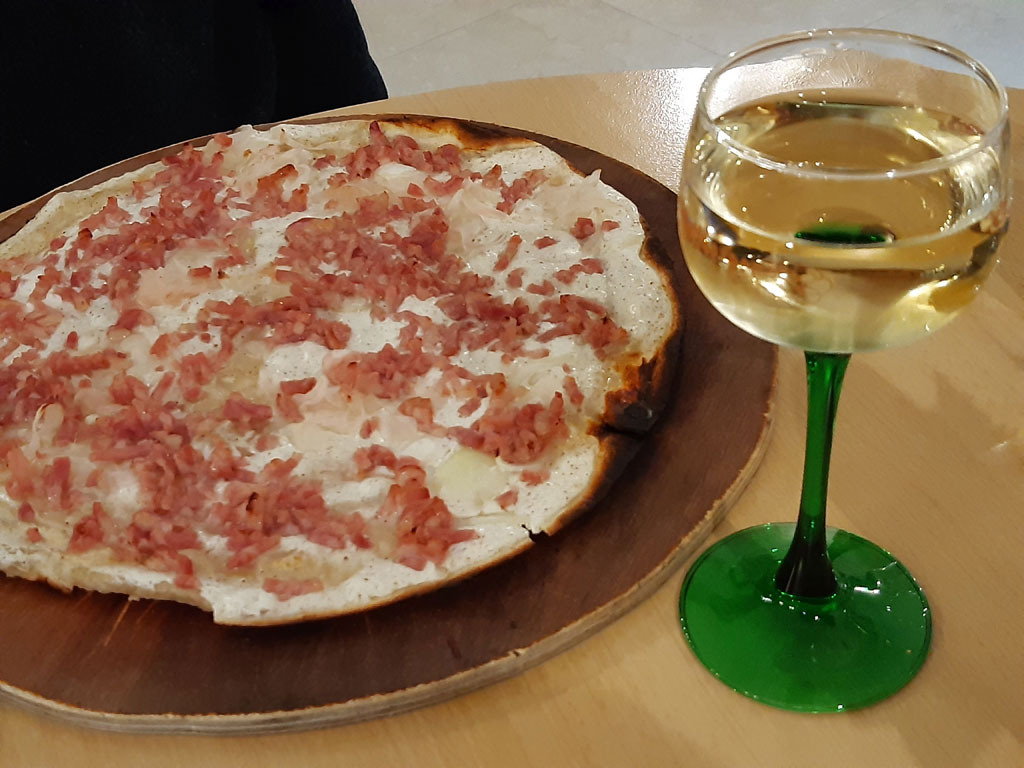

Slow wine travel is never only about wine. A regional bottle comes alive beside the food it grew up with.
This is not necessarily a formal, expensive meal every evening. It may be a picnic assembled from market tomatoes, bread, charcuterie and fruit, enjoyed under a plane tree with a view of the vines.
Fresh seasonal ingredients, short supply chains, and local recipes are always a winning combination – and one that also supports the local economy.

Ask what to drink with local dishes. These combinations are often born from common sense, because they belong to the same climate and table, and they are usually the best.
What Makes France the Perfect Destination for Slow Wine Travel

France has been protecting its wines longer than almost any other country in the world. The appellation system – now nearly a century old – was built on a simple idea: that where a wine comes from matters as much as how it is made. For the slow wine traveler, this is not a bureaucratic detail. It is an invitation to understand place and culture.
Terroir is the word the French use for this connection between wine and landscape – the soil, the climate, the slope of a hillside, the direction it faces. No two appellations express it the same way, and no amount of reading prepares you for tasting it directly. That understanding only comes from being there, slowly.
But slow wine travel in France is also about something beyond the glass. It is about a culture that has built celebrations, rituals, and festivals around wine for generations – Beaujolais Nouveau Day, when the whole country celebrates the release of the new vintage; harvest festivals that mark the end of a year’s work in the vineyards; La Saint-Vincent, with festivals and parades honoring the patron saint of winemakers; and charity wine auctions that fill medieval towns with music, good food, and celebration.
Last August (2026), I attended a celebration marking the 90th anniversary of the Quincy appellation in the Loire Valley. Held in the grounds of Château de Quincy, the town’s iconic landmark, it was much more than a tasting. There was music, food, rituals led by the local brotherhood, and a real sense of being part of something that had been carefully built over generations. That is what France offers the slow wine traveler: not just great wine, but the living culture around it.
France’s art de vivre – the art of living well – is nowhere more present than in its wine regions. For the traveler drawn to French wines and France’s beauty, slow wine travel is simply the most honest way to experience both.
How to Start Planning Your Slow Wine Trip to France

Start with a region that genuinely appeals to you beyond the bottle. Choose one base, ideally for at least two or three nights. From there, select a few producers and experiences that genuinely appeal to you.
Choose Fewer Visits, and Choose Them Well
You don’t need to visit five wineries in one day to make a wine trip worthwhile.
Book tastings in advance, especially at small estates. When booking, look for visits that feel personal rather than theatrical, experiences that allow you to understand the property rather than simply taste a few wines.
Depending on the producer and the time of the year, that might mean seeing the vineyards, visiting the cellar, learning about the winemaking process, or spending time talking with the people who run the estate.
That said, do not dismiss larger wineries or co-operatives automatically. Some offer excellent architecture, thoughtful hospitality and a valuable introduction to a region. A mix of both often works beautifully.
It’s Not Only About Wine
A slow wine itinerary is not a succession of wine tastings one after the other. It might include one appointment at a historic estate, one at a small independent producer and time to explore the destination itself. Visit a local market, stop at a historic site, take a cooking class, walk through a village, or spend an afternoon learning about a local craft or tradition.
But avoid filling every hour. Leave space for weather, lingering lunches, and the very real possibility that you will find a village square too lovely to just leave.
Your Hotel Matters More Than You Think
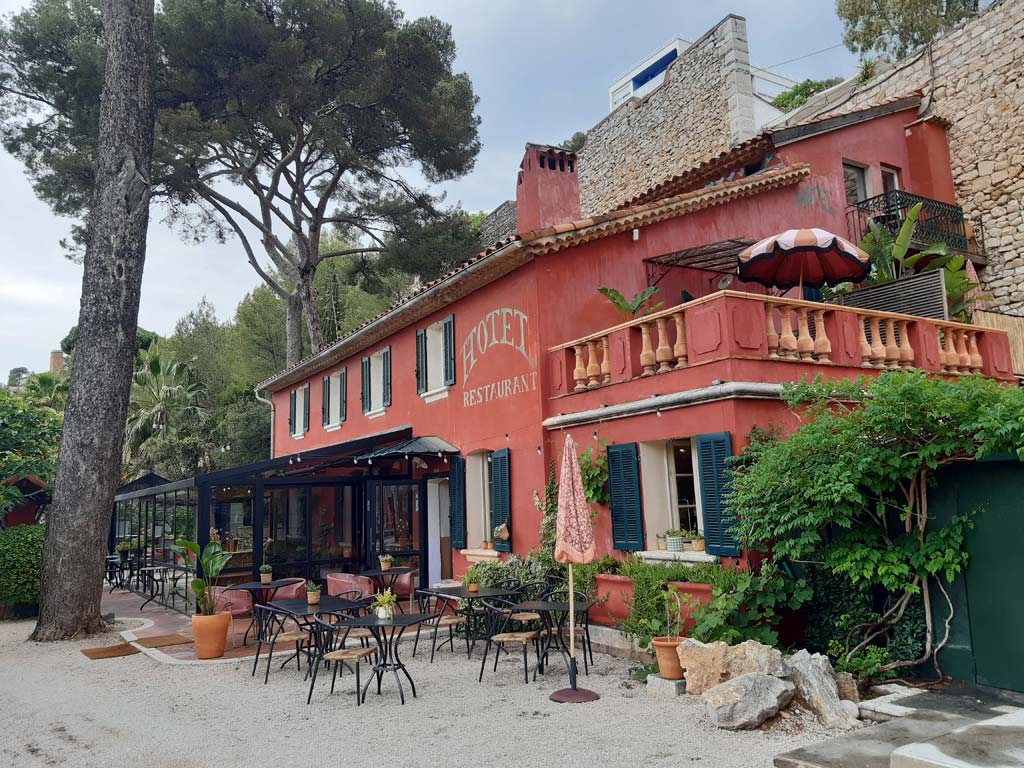

For slow travelers, the right hotel is part of what makes the travel experience an interesting one.
Look for somewhere with character, that adds something to the experience. A historic property, a small guesthouse, a countryside hotel, or a charming inn with a garden can become part of the destination itself.
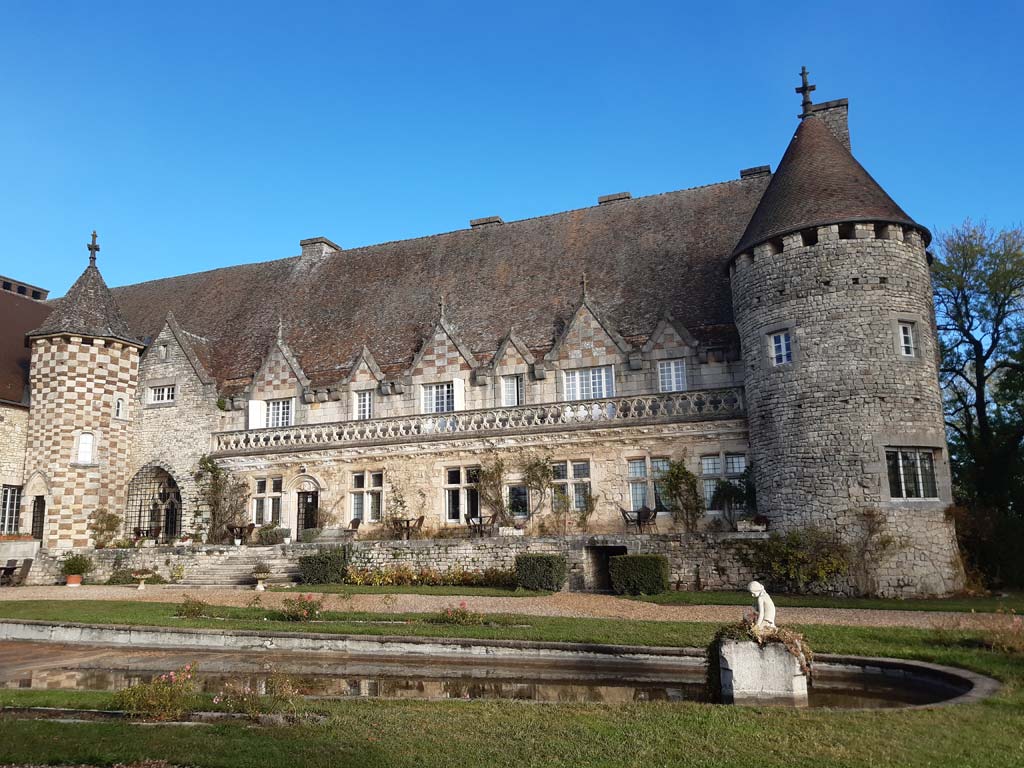
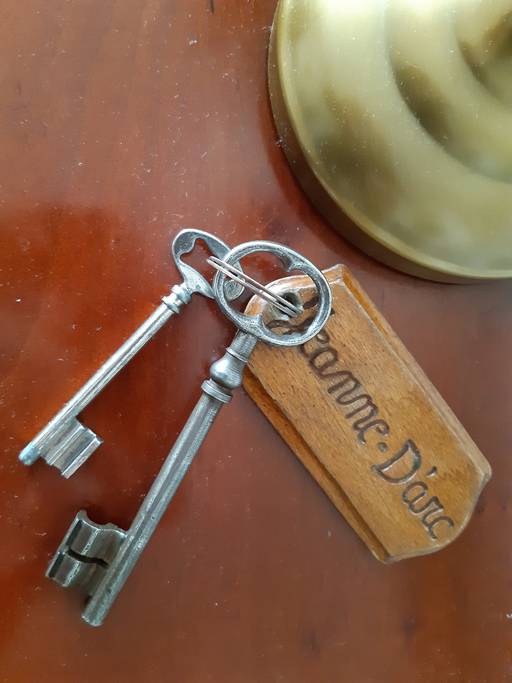
A terrace where you can enjoy a last glass of wine at the end of the day, a beautiful breakfast room, or simply a quiet setting can make you want to linger rather than rush out every morning.
For a slow trip, that matters.
Pack a Notebook
Even if you are not remotely serious about tasting notes or journaling. Keep a small notebook and record whatever you want to remember: the wine you loved, the name of the village, something the winemaker said, what you ate for lunch. Months later, those details will bring the bottle back more vividly than a score ever could.
The difference between a wine trip you enjoyed and one you’ll talk about for years is rarely the wines themselves. It’s the pace, the people, and the moments that weren’t on the schedule.
If that’s the kind of journey you’re looking for, Uncorked France → is where we start.